Cosmetic Dentistry
Cosmetic Dentistry Financing: Pay for a Smile Makeover
Cosmetic dentistry financing spreads a smile makeover into monthly payments. See payment options, what insurance covers and how to plan a budget in NJ.
Nov 26, 202610 min read

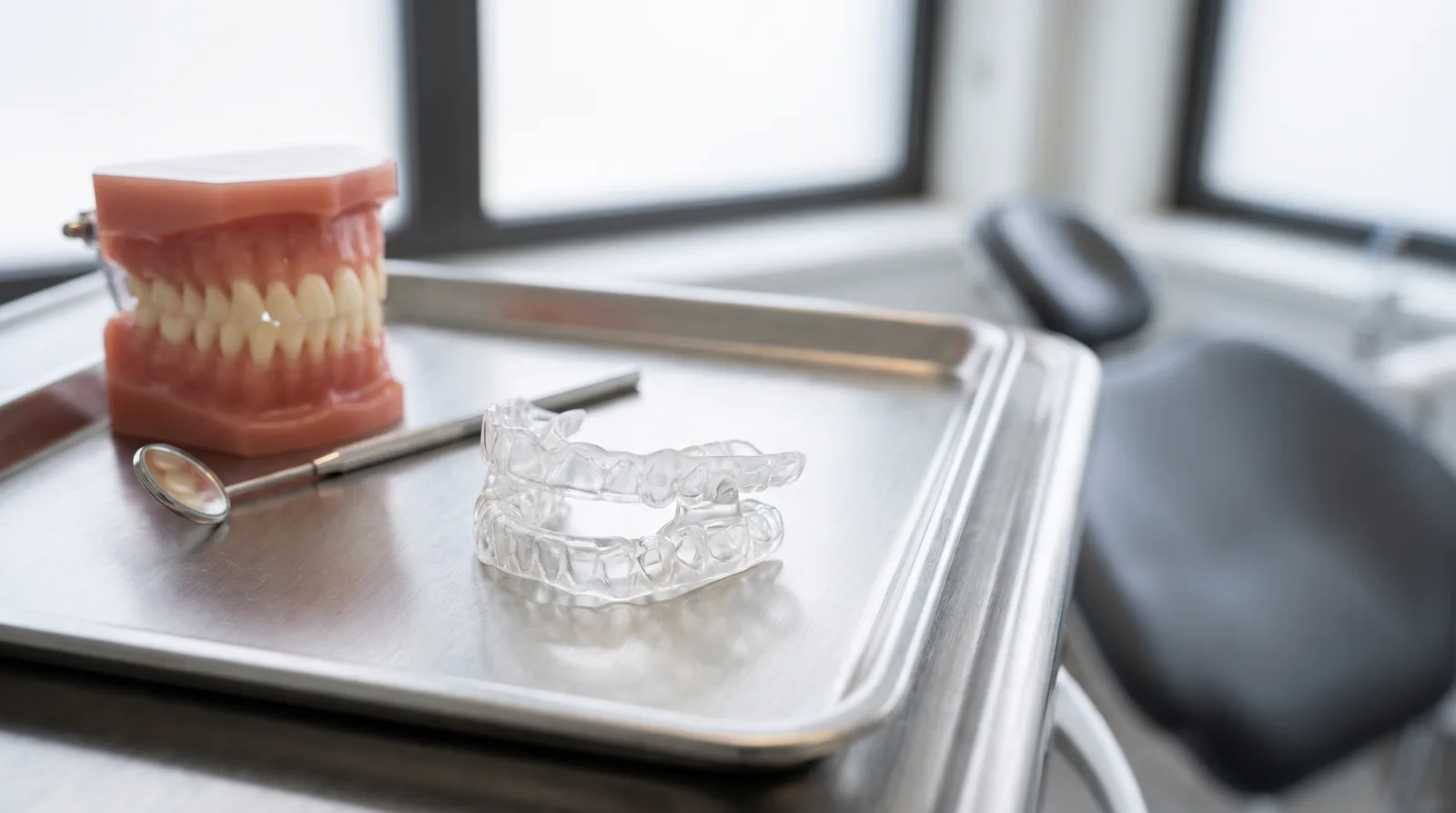
Oral appliance for sleep apnea cost is a fair question to ask before you commit, because the device is custom made and fitted over several visits. Our general dentistry team at Elia Family Dental in Wall Township, NJ fits custom oral appliances for patients who already have a sleep apnea diagnosis. This is general education only, and a physician makes the diagnosis.
Cost and comfort go hand in hand. CPAP is the most common treatment for sleep apnea, according to NHLBI, but a treatment only works on the nights you actually use it. For patients who can't tolerate a mask, an oral appliance can be the option that gets used.
This guide covers what an appliance fee includes, what moves the price, and how insurance is worth approaching. You'll also see how an appliance compares with other treatments and what follow-up looks like. Dr. Nicole Elia, DMD, FAGD, explains every option before treatment begins.
The total depends on the appliance design, the digital scan and fitting, the adjustments and follow-up visits, and how your coverage applies. Elia Family Dental gives a written estimate at your consultation, before anything is made. Your sleep study and physician visits are billed separately by their own offices.
We don't post one number because every appliance is built from your own scan. NHLBI says a provider may prescribe an oral device if you don't want to use or can't tolerate a CPAP machine, and that you may be referred to a dentist who custom fits it to your mouth. That custom work is a large part of what you're paying for.
Because the diagnosis comes first, your earliest cost may be the sleep study itself. Ask that office what it bills and when, so you can plan the whole path. We'll help you understand how each piece fits together, from diagnosis to fitting.
Ask the estimate to name each of these. A single bundled number is hard to compare, and a clear one tells you what happens at every step.
Five things shape the price: the type of device, the custom fabrication, the number of adjustments, the follow-up care, and how your coverage applies. Your diagnosis and your physician's recommendation also decide whether an appliance is the right treatment at all.
| Option | What it is | Good to know |
|---|---|---|
| Healthy lifestyle changes | Regular activity, healthy sleep habits and weight, less alcohol and caffeine, no smoking, side sleeping | NHLBI says these changes can be very effective |
| CPAP or other PAP machine | A machine that delivers air pressure to keep the airway open | NHLBI says it is the most common treatment, and side effects can include congestion or dry mouth |
| Oral appliance | A custom mouthpiece that holds the jaw or tongue forward | NHLBI says it may be prescribed if you can't use or tolerate CPAP |
| Surgery | Options include nerve stimulation and jaw advancement | NHLBI lists these for when other treatments don't work, and Healthline says nerve stimulation costs more than CPAP |
Which one fits depends on your sleep study results and your physician's advice. We'll never recommend an appliance in place of a treatment your physician says you need.
For patients who can't tolerate CPAP, often yes, because a treatment only works on the nights you use it. NHLBI says a provider may prescribe an oral device if you can't use CPAP, and Healthline notes CPAP can cause dry mouth, congestion and skin irritation. Severe cases often still call for CPAP under a physician's guidance.
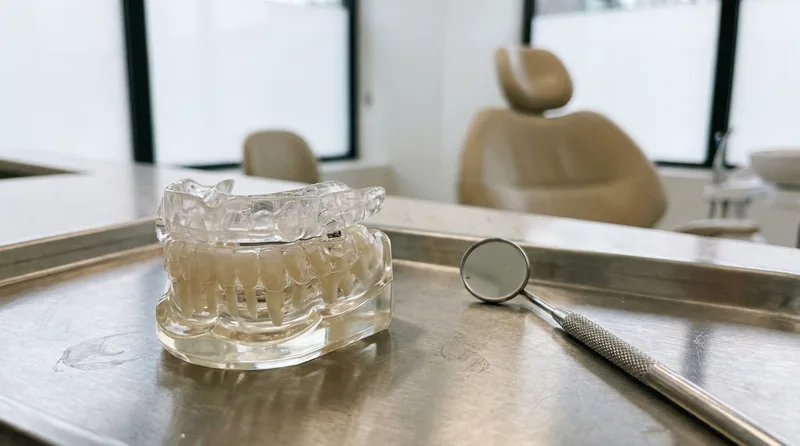
The stakes are real. NHLBI says untreated sleep apnea can make it hard to concentrate and remember things, and that it increases the risk of stroke, heart attack and other serious problems. Skipping treatment because a device is uncomfortable can cost more in the long run than finding one you'll wear.
Healthline also advises talking with a healthcare professional if CPAP is causing unwanted symptoms or your sleep apnea isn't improving, because they can suggest an alternative that works better for you. An appliance is one of those alternatives, and the conversation starts with your physician.
Our sleep apnea page describes the appliance as completely silent, with no motor or hoses, and travel-friendly. It also describes it as a fit for mild to moderate obstructive sleep apnea. Our guide to a sleep apnea oral appliance versus CPAP compares the two side by side.
The honest answer to "is it worth it" depends on your severity, your sleep study and what you'll actually use. That's why the consultation starts with your diagnosis and your CPAP history, not a sales pitch.
Coverage varies by plan, so ask both your medical and your dental plan. Your physician diagnoses sleep apnea and may prescribe the device, according to NHLBI, so that paperwork matters. Elia Family Dental works with most major PPO plans and verifies your coverage before treatment begins.
We don't accept HMO plans, Medicaid or Medicare. If that's your coverage, we'll talk through self-pay and financing options so you can still plan with confidence.
Five questions to ask your insurer before you book:
A written estimate that names the device and includes your diagnosis helps your insurer give a clear answer, and we're glad to help you send it. If your benefit year resets January 1, scheduling before year-end may let you use benefits you've already earned.
Our sleep apnea page describes five steps: a consultation, an iTero digital scan, custom fabrication, fitting and adjustment, and follow-up. You'll need your physician's diagnosis first, since NHLBI says a sleep study is what helps diagnose sleep apnea. Your dentist gives you a timeline at your consultation.
NHLBI lists the signs that may lead to a sleep study, including breathing that starts and stops, frequent loud snoring, gasping, daytime sleepiness, dry mouth and headaches. If those sound familiar, talk to your physician first. Our guide to the signs of sleep apnea a dentist can spot explains what we can and can't tell from an exam.
Related: Not sure whether your symptoms point to sleep apnea? See which signs a dentist can spot and when to test →
Plan for follow-up visits to confirm the appliance is working and to fine-tune it, plus your physician's follow-up. Our sleep apnea page notes that return visits let Dr. Elia verify the appliance is doing its job as your needs change. Healthy lifestyle habits can help, according to NHLBI.
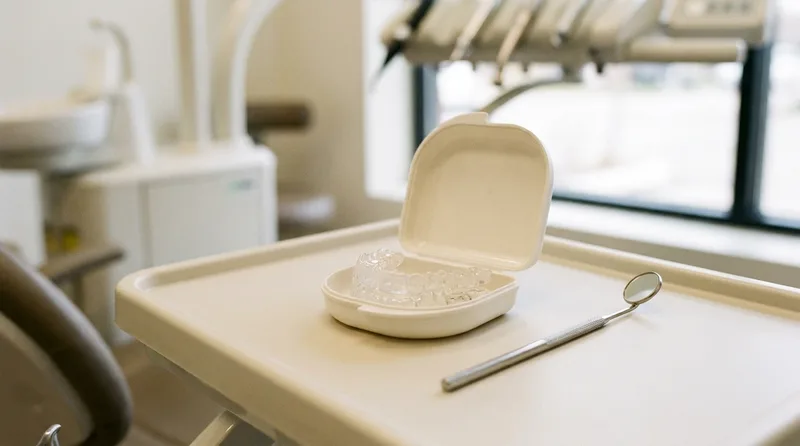
An appliance only works when it's worn, so everyday habits are part of the plan. NHLBI says healthy lifestyle changes can be very effective, including regular activity, healthy sleep habits and weight, limiting alcohol and caffeine, and quitting smoking. Your provider may also recommend sleeping on your side.
NHLBI also notes that a sleep diary, which tracks how long and how well you sleep and how sleepy you feel during the day, can help your provider. Bringing one to your follow-up visits gives Dr. Elia and your physician real information to work from.
Small adjustments cost far less than abandoning a treatment that isn't comfortable. If something feels off, call us early, and we'll look at it together.
Ask for a written estimate that names each stage, confirm your benefits, and use financing if you'd rather spread out the cost. Elia Family Dental accepts cash, check, Visa, MasterCard, American Express, Discover, Sunbit and CareCredit.
Our sleep apnea page describes Sunbit and CareCredit as flexible monthly payment plans with a quick, simple application. We'll walk you through your options, so cost doesn't keep you from a treatment you can stick with.
It also helps to ask your physician's office what they'll need from us, and what we'll need from them. A short call between offices can prevent delays, and we're glad to coordinate so your paperwork is complete before treatment begins.
If cost is a concern, tell us early. Depending on your case, we can talk through your timeline and your benefits, and which steps come first. We'd rather plan with you than have you go without treatment.
The next step is a conversation with your physician and a consultation with Dr. Elia. Bring your sleep study results and CPAP history, and we'll tell you honestly whether an appliance could fit. Then oral appliance for sleep apnea cost becomes a number you can plan around, with your benefits in view.
If you've struggled with a mask and hose, or your physician has suggested an alternative, book a visit at Elia Family Dental. Bring your insurance card and any sleep study results.
Results may vary. Please consult with your dentist at Elia Family Dental for personalized treatment recommendations.
Ready for a Clear Plan?
Book a visit with Dr. Nicole Elia and the team at Elia Family Dental in Wall Township. Modern Dentistry. Personal Care.
Book Appointment →Written By
Lead Dentist
Cosmetic dentistry financing spreads a smile makeover into monthly payments. See payment options, what insurance covers and how to plan a budget in NJ.
Dental bonding cost depends on how many teeth are bonded and the size of each repair. See what affects the price, coverage and how long bonding lasts.
Laser gum surgery cost depends on the areas treated and the technique used. See what affects the price and how it compares with traditional gum surgery.
Book your visit with Dr. Elia online or call us, and we'll take it from there.