general-dentistry
How Long Do Composite Fillings Last? Signs to Replace One
How long do composite fillings last? See what affects tooth-colored fillings, the warning signs of a failing one, and when a crown is the better fix.
Nov 1, 20269 min read



Pocket reduction surgery is the next step when a deep cleaning isn't enough: the gums are gently lifted so deep pockets can be cleaned, then repositioned so the pockets are shallower and easier to keep clean. At Elia Family Dental in Wall Township, our board-certified periodontist performs it in the office as pocket elimination surgery.
Picture a follow-up visit after a deep cleaning. The hygienist measures around each tooth with a small probe and calls out numbers. Most are fine, but a few stay deep. Those spots are where bacteria keep hiding, and another round of cleaning won't reach them.
This guide explains what pockets are, when surgery makes sense, how the procedure works, what recovery and results look like, and what the alternatives are. It's general education only, and your periodontist decides what fits your mouth.
Told You May Need Gum Surgery?
Book a visit and get a clear plan, with measurements and X-rays explained, before you decide anything.
Book Appointment →Pocket reduction surgery, which Elia Family Dental calls pocket elimination surgery, gently lifts the gums to clean deep pockets, then repositions them so the pockets are shallower and easier to keep clean. It's used when gum disease leaves pockets too deep for a regular deep cleaning to reach.
A pocket is the space between a tooth and the gum. The National Institute of Dental and Craniofacial Research explains that in a healthy mouth these pockets usually measure between 1 and 3 millimeters, and deeper pockets can be a sign of periodontal disease. A dentist measures them with a tiny ruler called a probe.
When gum disease sets in, the ADA says the gums separate from the teeth and form pockets. Plaque gets trapped in them and can't be removed by regular brushing, and if it's untreated, gum disease can lead to bone and tooth loss.
Gum disease is common. Some 42% of adults aged 30 and older have some form of periodontal disease, according to CDC 2024 data, and the ADA calls it a major cause of tooth loss in adults. It often causes no discomfort early on, so you may not know you have it, which is why regular periodontal exams matter.
Deep cleaning isn't enough when pockets stay deep afterward, because bacteria can keep hiding below the gumline where brushing can't reach. The NIDCR notes that in advanced cases of gum disease, surgical treatment may be required, and your periodontist decides based on your measurements and X-rays.
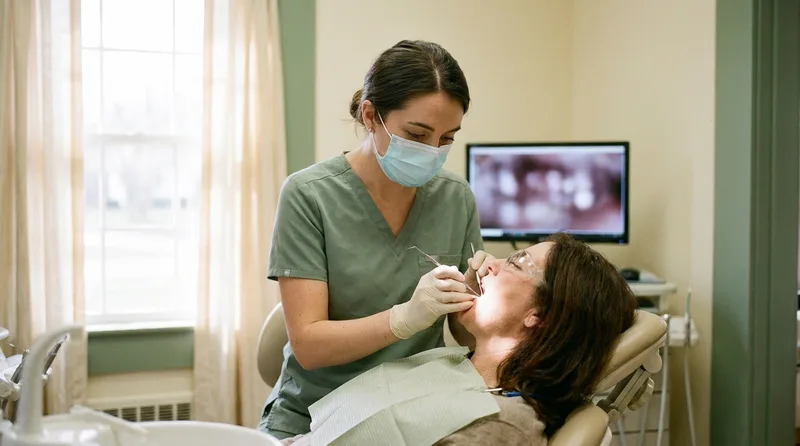
The usual order is deep cleaning first, surgery later. The ADA's guide to scaling and root planing explains that your dentist schedules another visit afterward to see how your gums have healed and to measure pocket depth, and that more treatment may be needed if the pockets have gotten deeper.
At Elia Family Dental, that first step is scaling and root planing with laser therapy, which Elia's gum care page describes as often gentler and less invasive than gum surgery. Our guides to scaling and root planing and the stages of gum disease treatment walk through that path.
Not every deep pocket needs surgery. Sometimes a pocket improves with better home care and closer follow-up. The point of the re-check is to make that call with real measurements, not guesswork.
A periodontist numbs the area, gently lifts the gum to clean the roots, smooths the bone or adds graft material if needed, then repositions the gums and closes them with small stitches. At Elia Family Dental, the procedure is performed in the office by our periodontist.

Planning uses digital X-rays and exact pocket measurements, so the treatment follows what your mouth actually shows. A clear plan is explained before anything begins, which means no surprises on the day. Each step has a purpose: measuring shows where the disease is, X-rays show the bone beneath it, and treatment can focus on the areas that need it. You'll know what will happen, and in what order, before it begins.
Why reposition the gums at all? Once the roots are clean, closing the gums at a shallower level leaves less room for bacteria to settle. That's what makes the pockets easier to keep clean with daily brushing and flossing.
At Elia Family Dental, pocket elimination surgery is performed by Dr. Marjorie Baptiste, a board-certified periodontist with specialty training in periodontics and implants from Tufts University. She treats gum disease and bone loss in the Wall Township office alongside Dr. Elia.
Dr. Baptiste earned her DMD at Tufts University School of Dental Medicine and completed a periodontal and dental implant specialty degree there. She is a Diplomate of the American Board of Periodontology and a Fellow of the Pierre Fauchard Academy. She also served as periodontics program director at Lutheran Medical Center.
A periodontist is a dentist with extra specialty training in gums and the bone that supports teeth. For deeper gum problems, that experience matters. It also means your care stays in one office, with one team, rather than being split between locations.
Dr. Elia stays part of the picture. She handles your general dentistry, and when implants or restorations are needed later, the two doctors coordinate, with Dr. Baptiste handling the surgical side and Dr. Elia completing the final restoration.
Recovery varies from person to person, and your periodontist gives you specific written instructions. At Elia Family Dental, the area is numbed thoroughly for the procedure, and you get aftercare guidance plus follow-up visits to monitor healing and protect your results.
This is general guidance, and your periodontist tailors it to your case. The NIDCR adds that any gum treatment requires good daily oral care at home, and that quitting tobacco can improve your results.
If the word "surgery" makes you nervous, you're far from alone. About 36% of Americans have dental anxiety, according to a 2024 BMC Oral Health study. Say so at your consultation, because knowing exactly what will happen, and in what order, takes much of the fear out of it.
Give yourself room to rest. Plan lighter days around the procedure, and keep eating soft, nutritious foods, since your body heals better when it's fed. Call the office if something doesn't seem right, such as bleeding that doesn't settle, swelling that keeps growing or a fever.
The goal is shallower pockets that are easier to clean at home, so your gums can heal and your teeth stay supported. Elia's page says the surgery reduces deep pockets to help protect your teeth and bone, and follow-up visits help protect those results.

Surgery doesn't end the need for care, though. Elia's gum care plan includes ongoing maintenance, with more frequent check-ins to track healing and prevent the disease from returning. Our guide to a periodontal maintenance cleaning schedule explains what those visits involve.
The ADA's advice for keeping gum disease from coming back is simple: brush twice a day with a soft brush, clean between your teeth daily, eat a balanced diet, avoid tobacco and see your dentist regularly. Good dental care at home is essential, according to the ADA, to keep gum disease from becoming more serious or recurring.
According to the American Dental Association, regular dental visits can catch 80% of oral health issues before they become serious. For gum health, that means pocket measurements at each visit, so any change shows up early.
Alternatives include scaling and root planing with laser therapy, improved home care and more frequent maintenance visits, and, when recession or bone loss is the main concern, procedures such as gum grafting or guided bone regeneration. The right option depends on your measurements.
Receding gums are a different problem from deep pockets, though they can occur together. Elia Family Dental offers gum grafting for recession, and our guide to gum recession treatment options compares the choices.
Ask your periodontist to explain why a treatment is recommended for your specific teeth, and what happens if you wait. A clear answer to both questions is a good sign you're getting the right plan. Timing matters, too. The longer deep pockets sit untreated, the more bone they can affect, which makes earlier decisions easier on your teeth. That doesn't mean rushing into surgery. It means getting measurements and acting on them.
Many plans cover part of gum treatment, and Elia Family Dental accepts Delta Dental, Blue Cross Blue Shield, Cigna, Principal and most PPO plans. We verify your coverage before treatment begins, and we'll still work with your plan if you're out of network.
Sunbit and CareCredit financing are available, with flexible monthly payments and a quick application. Sunbit doesn't require a hard credit check. We don't accept HMO, Medicaid or Medicare plans, so call us if you're unsure which category your plan falls into.
Don't let cost delay the care you need. Gum disease that goes untreated can lead to bone and tooth loss, and replacing lost teeth is usually far more involved than treating the gums that hold them.
Pocket reduction surgery sounds bigger than it often is when it's explained step by step. Book a visit, and the team will measure your pockets, show you the X-rays and tell you honestly whether surgery is the right next step.
Results may vary. Please consult with your dentist at Elia Family Dental for personalized treatment recommendations.
Ready for a Clear Gum Health Plan?
Book an appointment with Elia Family Dental and get your pocket measurements and X-rays explained.
Book an Appointment →Prefer to talk it through first?
Call 732-681-8604 →Written By
Lead Dentist
How long do composite fillings last? See what affects tooth-colored fillings, the warning signs of a failing one, and when a crown is the better fix.
Dry socket symptoms after tooth extraction: what they feel like, how to prevent them, and when to call. Same-day emergency extractions in Wall Township.
Teeth whitening for sensitive teeth is possible with the right plan. Learn why sensitivity happens, what to ask first, and how GLO whitening fits.
Book your visit with Dr. Elia online or call us, and we'll take it from there.