Periodontal Care
Tunneling Gum Graft: How the VISTA Technique Works
Tunneling gum graft explained: how the VISTA technique covers exposed roots through one small incision, what studies show and what recovery involves.
Nov 9, 202611 min read



Guided biofilm therapy vs deep cleaning is a question many Wall Township patients ask once a hygienist mentions gum measurements. Both clean your teeth, but they solve different problems, and the right one depends on how healthy your gums are. Our periodontal care team at Elia Family Dental can measure, explain, and recommend.
Maybe you've been told you need a "deep cleaning" and wonder if that means something worse than a regular visit. Or maybe you've heard about a gentler method and want to know whether it replaces the deep version. Short answer: it doesn't, and it isn't meant to.
This guide explains what each cleaning does, how your dentist decides, what recovery feels like, and how the two can work together.
Not sure which cleaning your gums need?
Dr. Nicole Elia and our team can measure your gum pockets, explain the results in plain language, and build a plan around them.
Book Appointment →The difference is purpose. Guided biofilm therapy is a preventive cleaning that keeps healthy or mildly inflamed gums on track, while a deep cleaning, called scaling and root planing, treats active gum disease below the gumline. They answer different problems, so one doesn't replace the other.
Think of it as maintenance versus repair. A preventive cleaning removes the daily film of bacteria before it causes damage. A deep cleaning goes after buildup that has already settled into pockets around the teeth and started to irritate the gums.
| Feature | Guided biofilm therapy | Deep cleaning (scaling and root planing) |
|---|---|---|
| Main goal | Prevent problems and maintain healthy gums | Treat gum disease below the gumline |
| Ideal for | Healthy or mildly inflamed gums | Gums with deeper pockets, bleeding, or tartar under the gum |
| Where it works | Tooth surfaces and shallow areas near the gumline | Deeper pockets and root surfaces |
| Comfort approach | Warm water spray and fine powder | Local anesthetic can be used to keep you comfortable |
| Follow-up | Routine visits, often every 3 to 6 months | Re-evaluation, then maintenance visits at set intervals |
Why does the difference matter? Because the wrong match wastes time or leaves disease untreated. A preventive cleaning can't reach deep pockets, and a deep cleaning isn't needed for gums that are already healthy. An exam sorts it out before you commit to either one. If you're comparing the gentler method with a standard cleaning instead, our guide to guided biofilm therapy vs traditional cleaning covers that match-up.
A deep cleaning, or scaling and root planing, removes plaque and hardened tartar from below the gumline and smooths the root surfaces. You need one when gum disease has formed pockets that a regular cleaning can't reach, usually shown by bleeding and deeper gum measurements.
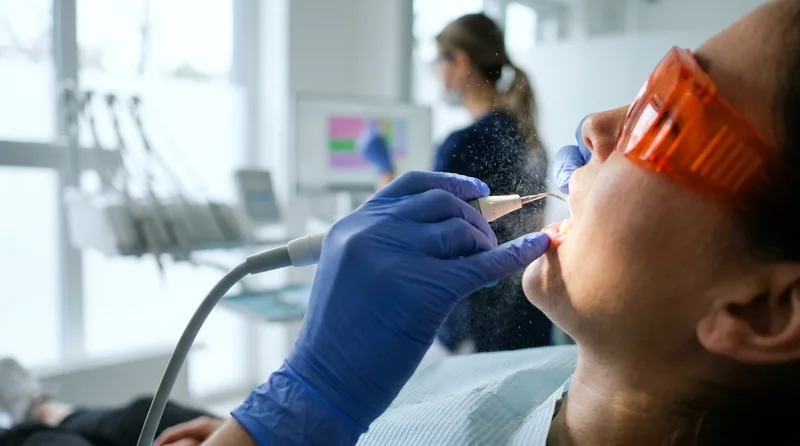
Scaling clears deposits from the tooth and root. Root planing smooths the root so gum tissue can reattach more easily. Your dentist may use a local anesthetic so the visit stays comfortable, and the work is sometimes divided across more than one appointment. For a full walkthrough of the procedure itself, see our scaling and root planing guide.
Why does it matter? The CDC reports that 42% of adults aged 30 and older have some form of periodontal disease. The National Institute of Dental and Craniofacial Research lists deep cleaning among the nonsurgical treatments for gum disease.
These are common reasons a dentist recommends one:
Your dentist measures the space between each tooth and the gum with a small probe. Readings around 1 to 3 millimeters suggest healthy gums, while deeper readings with bleeding point toward gum disease and a deep cleaning. The numbers guide the plan.
No single number tells the whole story. A patient in Belmar with one deep pocket behind a back tooth may need targeted treatment there, while the rest of the mouth stays on a routine schedule. That's why the full exam comes first.
If deeper pockets remain after a deep cleaning, the next step may be a procedure such as pocket reduction surgery, which your dentist would explain in detail.
Related: Want the full walk-through of the gentler preventive method? Our guide covers every step of the visit. Guided Biofilm Therapy in Wall Township →
Yes. After your gums heal from a deep cleaning, maintenance visits often use a gentler, biofilm-focused method, since it removes bacteria without heavy scraping and shows you where you missed. Your dentist decides whether it fits your gums.
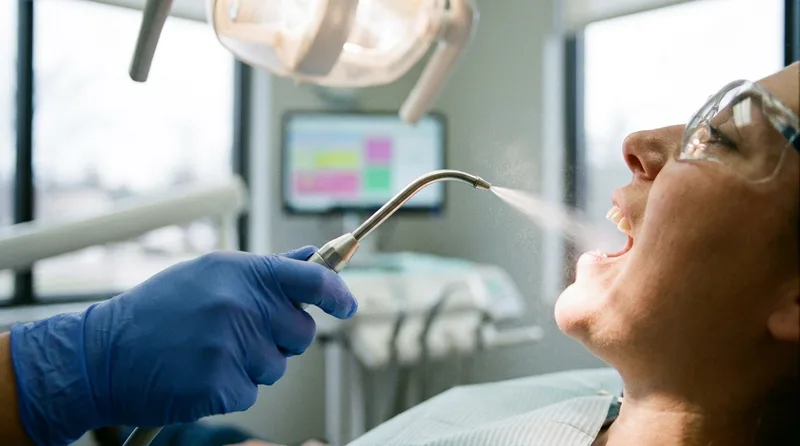
Treatment for gum disease usually runs in phases. First comes the deep cleaning. Several weeks later, your dentist re-measures your pockets to see how the gums responded. After that, you move into maintenance, where the goal is keeping bacteria from rebuilding.
This is where the preventive method earns its place. Disclosing dye turns invisible biofilm into a visible map. You see the exact spots you're missing, and your clinician cleans them precisely. It supports healing instead of working against it.
At Elia Family Dental, the plan is built around your gums, not a template. Some patients return to routine visits. Others stay on a closer schedule for a while.
One practical tip: bring your questions to the re-evaluation visit. Ask which areas improved, which still need attention, and what to change at home. Those answers turn a clinical number into a plan you can act on, and they make each maintenance visit more useful.
After a preventive cleaning, most patients resume normal routines right away. After a deep cleaning, gums may feel tender and look slightly swollen for a few days, which usually settles with gentle brushing and the care steps your dentist recommends.
Your mouth is healing from treatment, not just a polish, so it deserves a little extra care. These steps help most patients:
Timing varies. Someone treated on one side of the mouth may feel it mostly there, while a patient who had the whole mouth done in one sitting may notice more general tenderness. Neither is unusual, and your dentist will tell you what to expect for your own plan.
Most people tell us the tenderness fades faster than they expected. The bigger change is how the gums look and feel in the weeks afterward, with less puffiness and less bleeding as they settle.
No. Gum disease is common, and it has several causes beyond brushing, including genetics, smoking, hormonal changes, certain medications, and some health conditions. Needing a deep cleaning isn't a failure, and catching it early gives you more options.
Plenty of people who brush and floss every day still need one. Biofilm hides in spots that are hard to reach, and some mouths are simply more prone to inflammation. The American Academy of Periodontology notes that the earliest stage, gingivitis, is reversible, which is why early attention pays off.
Family history plays a larger role than many people realize. If a parent lost teeth to gum problems, mention it at your visit. It helps your dentist decide how closely to watch your gums, even when your own habits are excellent.
So skip the guilt and focus on the next step. A clear diagnosis lets you treat the problem while it's still manageable, and good habits afterward help the results last.
Have questions about your gums?
Book a visit at Elia Family Dental. We'll measure, explain what we find, and walk you through your options.
Contact Our Office →Only an exam can tell you for sure, but some signs point each way. Firm, pink gums that rarely bleed usually fit routine preventive care, while bleeding, swelling, or ongoing bad breath are reasons to ask for a gum evaluation soon.
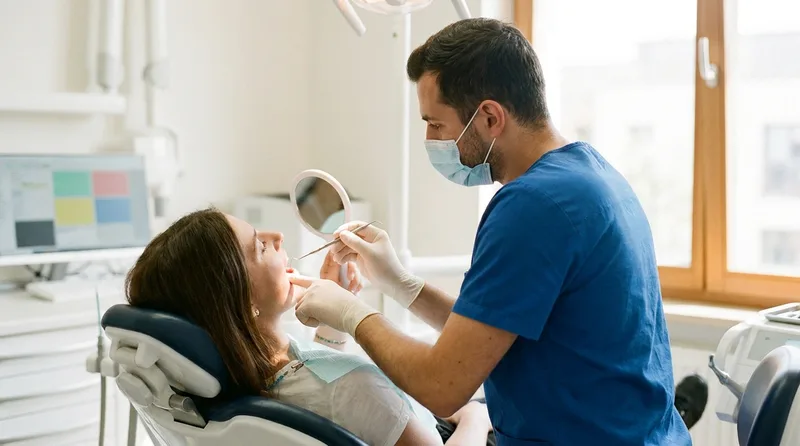
It also helps to notice changes over time. Gums that bled once after a dental visit are different from gums that bleed every week. Jot down what you see, and share it at your exam so the conversation starts with real observations.
Don't diagnose yourself from a list, though. Gum disease can be quiet in the early stages, and many people feel nothing at all. A measured exam is the only reliable way to know where you stand.
Preventive cleanings usually happen every three to six months. After a deep cleaning, gum maintenance visits are often scheduled about every three months at first, and your dentist adjusts the interval as your gums respond and stay stable.
A deep cleaning isn't a one-and-done fix. Bacteria begin rebuilding within hours of any cleaning, and gums that have had disease are more likely to be affected again. Regular maintenance is how the results last. Our periodontal maintenance schedule guide explains the recall rhythm in detail.
Think of the schedule as a dial, not a fixed rule. Gums that stay calm earn longer gaps between visits, and gums that show new bleeding or deeper pockets may need shorter ones. Several factors shape where your dial sits:
If you've been away from the dentist for a year or more, start with an exam. There's no judgment here. Whether you live in Wall Township, Spring Lake, or Sea Girt, the first step is simply finding out where your gums stand today.
Brush twice a day for two minutes with fluoride toothpaste, and clean between your teeth once a day. These habits disrupt bacteria before they harden, which protects your gums whether you're on a preventive schedule or recovering from treatment.
The American Dental Association recommends this routine because bacteria are easiest to remove while they're still soft. Skip a few days and they start building a firm base along the gumline.
Small technique changes add up. Angle the bristles toward the gumline, use short gentle strokes, and don't scrub hard. Firm pressure can irritate gums and wear them down over time, while light, thorough brushing removes more bacteria with less trouble.
The guided biofilm therapy vs deep cleaning decision comes down to one idea: match the cleaning to your gum health. Preventive care protects healthy gums. A deep cleaning treats disease that has already started.
If you're unsure where you fall, book an exam with Dr. Elia. We'll measure your gums, explain the numbers, and recommend the right level of care.
Results may vary. Please consult with your dentist at Elia Family Dental for personalized treatment recommendations.
Find Out Which Cleaning Fits Your Gums
Book a visit with Dr. Nicole Elia at Elia Family Dental in Wall Township and get clear answers about your gum health.
Book Appointment →Prefer to talk it through first?
Call 732-681-8604 →Written By
Lead Dentist
Tunneling gum graft explained: how the VISTA technique covers exposed roots through one small incision, what studies show and what recovery involves.
Dead tooth symptoms include darkening, swelling and a tooth that stops responding. Learn the causes and options at Elia Family Dental in Wall Township, NJ.
Plaque vs tartar: learn how plaque hardens, why only a dental professional can remove tartar and what to expect at a cleaning in Wall Township, NJ.
Book your visit with Dr. Elia online or call us, and we'll take it from there.