Periodontal Care
Guided Biofilm Therapy vs Deep Cleaning: Which Fits?
Guided biofilm therapy vs deep cleaning: see how each works, what pocket depths decide, and which one your gums may need. Wall Township, NJ.
Nov 9, 202611 min read


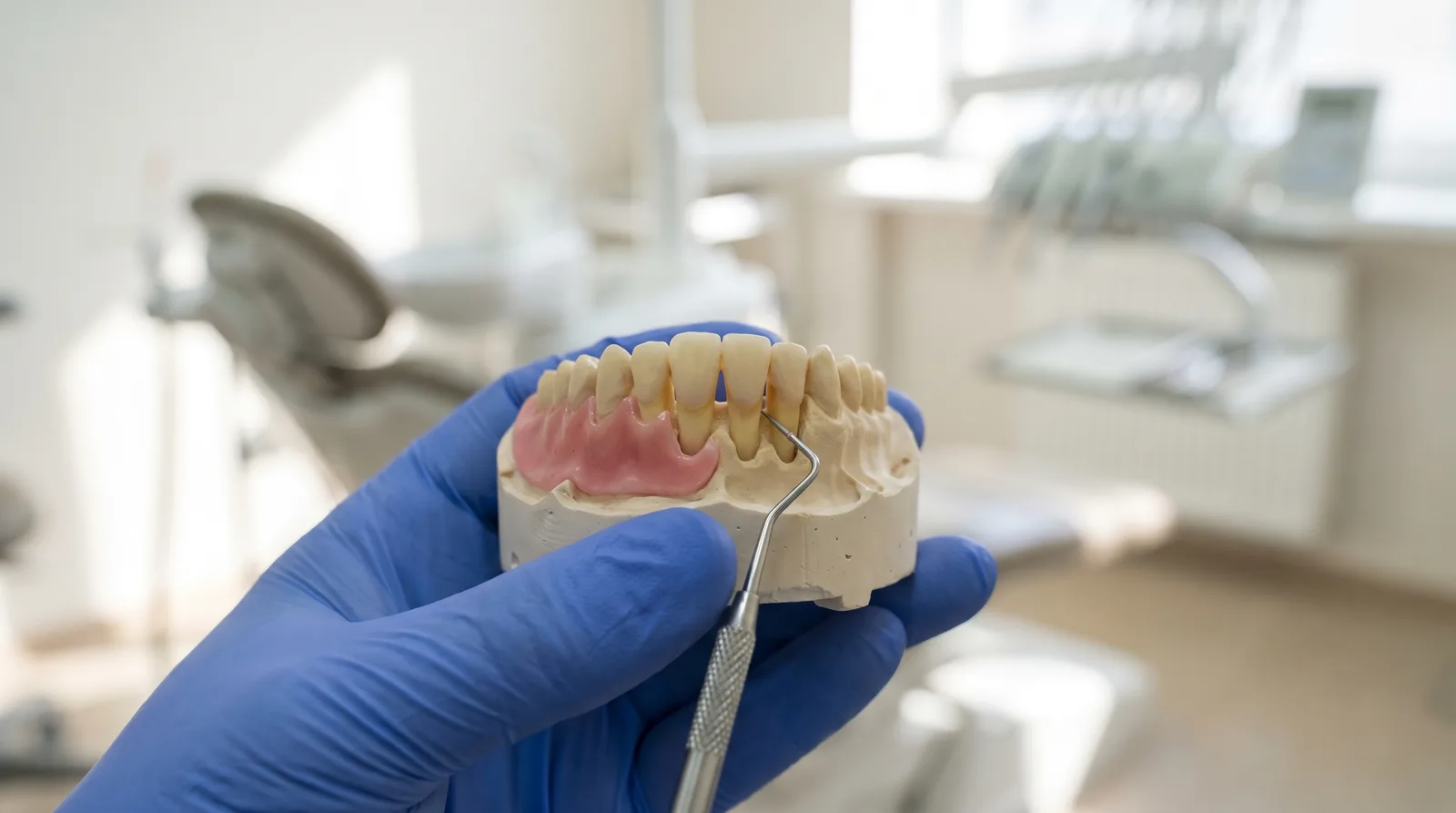
A tunneling gum graft covers exposed tooth roots by creating a small tunnel beneath the gum through a single incision, instead of cutting long incisions along the gumline. At Elia Family Dental, our periodontist uses a minimally invasive tunneling technique called VISTA, as part of our periodontal treatment. This guide explains how the technique works, how it differs from other grafts, what research says and what recovery involves.
Gum recession is easy to overlook because it happens gradually, and many people only notice it when a tooth becomes sensitive to cold. If you've been told you may need a graft, it helps to know your options before you decide. This guide is general education only, and your periodontist can tell you what's right for your gums after an exam.
Receding Gums? Get a Clear Answer
Book a visit and our periodontist will measure your recession, assess your gums and explain whether a graft is right for you.
Book Appointment →A tunneling gum graft is a way of covering exposed tooth roots by creating a tunnel beneath the gum through one small incision, instead of cutting long incisions along the gumline. Elia Family Dental's periodontist uses a minimally invasive tunneling technique called VISTA, and the graft material and your existing gum tissue cover the exposed roots.
The reason to treat recession is what it exposes. Healthline explains that gum recession exposes the roots of your teeth, which can make the root surface more likely to decay and more sensitive and prone to abrasion. A gum graft can correct receding gums, and your dentist may refer you to a periodontist, a gum specialist, for the procedure.
Recession is common and easy to miss. According to WebMD, it affects 4% to 12% of adults and often goes unnoticed until it becomes more severe, because it's a gradual process. An exposed root can cause sensitivity, especially to cold or hot foods, and WebMD notes that untreated recession can eventually lead to tooth loss. Receding gums don't grow back on their own, which is why a graft is the treatment when coverage is needed.
Our guide to gum recession treatment options explains how a periodontist decides whether you need a graft at all, and the early signs of gum disease are worth knowing too, since gum problems often appear together.
VISTA stands for vestibular incision subperiosteal tunnel access, a root coverage technique described in the literature as minimally invasive because it uses a single incision. It's used to treat multiple gingival recessions, meaning exposed roots on several neighboring teeth.
In a published review of tunnel and VISTA techniques, the modified VISTA approach involves a vertical incision in the vestibule, the fold between the lip and the gum, typically at the level of the frenum. The surgeon then raises a tunnel beneath the tissue through that opening, so the tunnel reaches the gum margins of the teeth that need coverage. That's why the technique avoids long incisions along the gumline.
Elia's gum grafting process follows five steps:
The result is a graft placed under and over the gum tissue, with fewer and smaller incisions than a traditional approach. It's performed by the periodontist in Elia's own office, from planning to healing, and the technique can often treat several teeth in one visit.
A traditional graft often opens the gum with a flap or longer incisions, while a tunneling graft works through a small opening and tunnels beneath the tissue. Healthline describes three standard graft types, free gingival, connective tissue and pedicle grafts, which differ in where the tissue comes from and how it's placed.
| Graft type | Where the tissue comes from | Worth knowing |
|---|---|---|
| Free gingival graft | A small piece of tissue from the roof of the mouth | Often used when gums are thin and need extra tissue, per Healthline and WebMD |
| Connective tissue graft | Tissue from under the top layer of the palate | The most common type, per Healthline and WebMD |
| Pedicle (lateral) graft | A flap of gum from right next to the recession | Needs plenty of gum tissue near the recession, per Healthline |
| Tunneling (VISTA) | Graft material placed through a tunnel under the gum | A technique for placing tissue through one small incision; ask which graft material is planned |
The key point is that tunneling describes how a graft is placed, not only where the tissue comes from. WebMD notes that some dentists and patients prefer graft material from a tissue bank instead of from the roof of the mouth, and that if no tissue is removed from your palate, you should have little to no discomfort. That's a useful question to ask your periodontist, because the source of the graft shapes your recovery.
No single technique is right for everyone. Healthline says your periodontist will discuss the options with you and make a recommendation based on your individual needs, and WebMD says the same: which method your dentist uses depends on your specific needs. The number of teeth, the depth of the recession and the amount of healthy gum available all matter.
Studies suggest VISTA and other tunneling techniques cover exposed roots well in many cases, but results vary. A 2023 systematic review of VISTA found a cumulative mean root coverage of 88.15% and complete root coverage of 67.85%, and a 2024 review of tunnel and VISTA techniques concluded both were effective for multiple recessions.
It helps to understand what those numbers mean. Mean root coverage is the average share of the exposed root that was covered, and complete root coverage is the share of recessions that were covered entirely. So an average of 88.15% coverage, with complete coverage in 67.85% of recessions, means most roots were mostly covered, but not every root was covered completely. That's a realistic picture, and it's why no periodontist should promise complete coverage.
The 2023 review included 14 studies, 8 of which met the criteria for quantitative assessment. It reported that VISTA, particularly with acellular dermal matrix or connective tissue graft materials, offered superior outcomes compared with the tunneling technique. The authors also found that deeper recession at the start was linked to lower complete coverage, while a wider band of existing keratinized gum was linked to higher complete coverage.
Two honest caveats. First, one of that review's authors is Dr. Homayoun Zadeh, the periodontist who introduced VISTA, so it's worth reading alongside independent work. Second, the 2024 comparison of the tunnel and modified VISTA techniques covered five randomized trials and 195 recessions, and concluded both techniques were effective and may be valuable, without declaring one the winner. Your periodontist's experience with a technique matters as much as the technique's name.
Good candidates are people with gum recession that exposes roots, often on several neighboring teeth, and enough healthy gum to work with, which your periodontist determines at an exam. Elia's gum grafting page says the technique can often treat several teeth in one visit, and that the exam measures your recession and assesses your gums.
Not everyone who has recession needs a graft. Some people simply need monitoring, better brushing habits or treatment of underlying gum disease first. Our guides to gum disease treatment stages and periodontist vs dentist explain when a specialist is involved, and our periodontist, Dr. Marjorie Baptiste, can tell you after an exam whether a graft is needed and which approach suits your gums.
At the exam, your periodontist will look at how far the recession extends, how much gum tissue you have, how thick it is and whether the exposed roots are sensitive. Those details guide the choice between tunneling and other approaches, and they help set realistic expectations for how much coverage is likely in your case.
Recovery follows the general pattern for gum grafts: soft, cool foods for a week or two, no brushing or flossing on the graft site until your periodontist says it's safe, and a follow-up visit about a week later. Healthline says you should be fully healed in one to two weeks, with complete healing taking a month or more.

Complications are rare, according to Healthline, and infections are uncommon, but you should call your periodontist right away if you notice oozing or unexpected bleeding around the graft site. In rare cases, the graft tissue may not adapt properly to the site and the procedure may need to be repeated. If you're unhappy with how the area looks once it's healed, a reshaping procedure called gingivoplasty may be an option.
Your own instructions come first, because they're tailored to your graft. Ask what to expect at each stage, including when you can return to your usual diet and routine, and keep your follow-up appointments, since they're how your periodontist confirms the graft is healing as planned.
Ask which technique is planned and why, what graft material will be used, how many teeth can be treated at once and what recovery will involve. A clear answer to each question lets you compare options and decide without pressure.
Writing your questions down before the visit helps, and bringing a friend or family member can help you remember the answers. A good periodontist welcomes questions and explains the trade-offs in plain language. Coverage for gum grafting varies by plan. Elia Family Dental accepts Delta Dental, Blue Cross Blue Shield, Cigna, Principal and most PPO plans and verifies your coverage before treatment begins. Sunbit and CareCredit offer flexible monthly payment plans, and Sunbit doesn't require a hard credit check. We don't list dollar amounts here, because the right price depends on your plan and your treatment.
If your gums need more than a graft, our guide to pocket reduction surgery explains another periodontal option. The periodontal team is in the same office, so treatment can be planned together from the same records.
The first step is an examination and planning visit with Dr. Marjorie Baptiste, our board-certified periodontist, who measures your recession, assesses your gums and determines whether gum grafting is right for you. You leave with a clear plan and straight answers before anything begins.
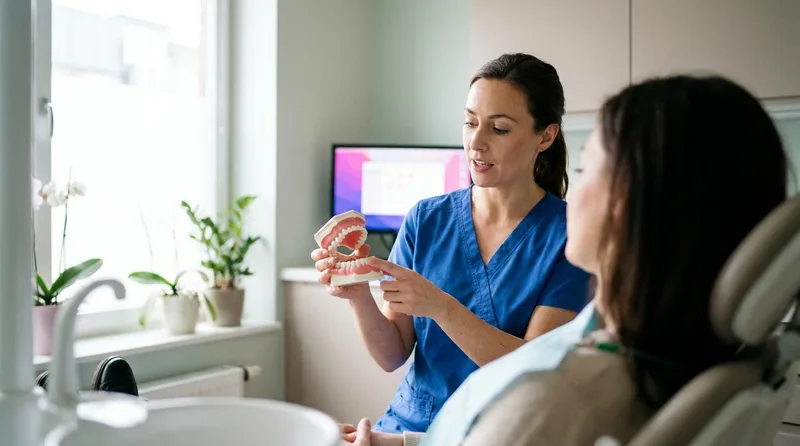
Dr. Baptiste has specialty training in periodontics and implants at Tufts and experience in tunneling-technique gum grafting. Bring your questions, tell the team about any sensitivity you've noticed and mention any worries about comfort or recovery. We explain every step before you decide, and there's no obligation to proceed. You can read more about gum grafting at Elia Family Dental.
Results may vary. Please consult with your dentist at Elia Family Dental for personalized treatment recommendations.
Ready to Protect Your Gumline?
Book a consultation with our periodontist at Elia Family Dental and find out whether a tunneling gum graft is right for you.
Book an Appointment →Prefer to talk it through first?
Call 732-681-8604 →Written By
Lead Dentist
Guided biofilm therapy vs deep cleaning: see how each works, what pocket depths decide, and which one your gums may need. Wall Township, NJ.
Dead tooth symptoms include darkening, swelling and a tooth that stops responding. Learn the causes and options at Elia Family Dental in Wall Township, NJ.
Plaque vs tartar: learn how plaque hardens, why only a dental professional can remove tartar and what to expect at a cleaning in Wall Township, NJ.
Book your visit with Dr. Elia online or call us, and we'll take it from there.