Dental Implants
Front Tooth Implant: What to Expect From Start to Finish
Front tooth implant explained: steps, timeline, temporary teeth, natural results and who qualifies. Plan yours with Elia Family Dental in Wall Township.
Nov 4, 202610 min read



Dry mouth causes most often come down to medicines, health conditions, cancer treatments, nerve damage and everyday habits like tobacco, alcohol and caffeine, and all of them reduce the saliva that protects your teeth. At Elia Family Dental in Wall Township, Dr. Nicole Elia's team checks your teeth and gums for the effects of dryness during your exam through general dentistry care, so problems are caught early.
You wake up with your tongue stuck to the roof of your mouth. Food tastes flat, and swallowing a dry cracker takes effort. Maybe you've started carrying a water bottle everywhere, or sucking on mints, without quite knowing why. Dry mouth is easy to dismiss as an annoyance, but it's worth understanding, because saliva does far more than keep you comfortable.
This guide explains what causes dry mouth, what it does to your teeth and gums, which symptoms to watch for, what helps at home, and when to see a dentist. It's general education only, and your dentist or doctor can find the cause in your case.
Mouth Feeling Dry Most Days?
Book a visit and our team will check your teeth and gums and help you work out next steps.
Book Appointment →Your mouth feels dry when your salivary glands don't make enough saliva, and the most common cause is medicine. The National Institute of Dental and Craniofacial Research says hundreds of medicines can reduce saliva, and the ADA describes dry mouth as a symptom of a medical disorder or a medication side effect, not a disease on its own.
Saliva is your mouth's primary defense. NIDCR explains that it moistens and breaks down food, washes away food particles from the teeth and gums, and helps with swallowing. It also contains calcium and phosphate, minerals that help keep teeth strong and fight decay. When saliva drops, all of those jobs are affected.
Occasional dryness is normal. NIDCR notes that dry mouth can happen to anyone now and then, for example when you're nervous or stressed. The concern is dryness that persists, because it can make chewing, swallowing and even talking difficult and raise your risk of decay and infection.
Because the causes vary so widely, the useful question isn't just "how do I fix it?" but "why is it happening?" The sections below walk through the main answers, starting with the biggest one.
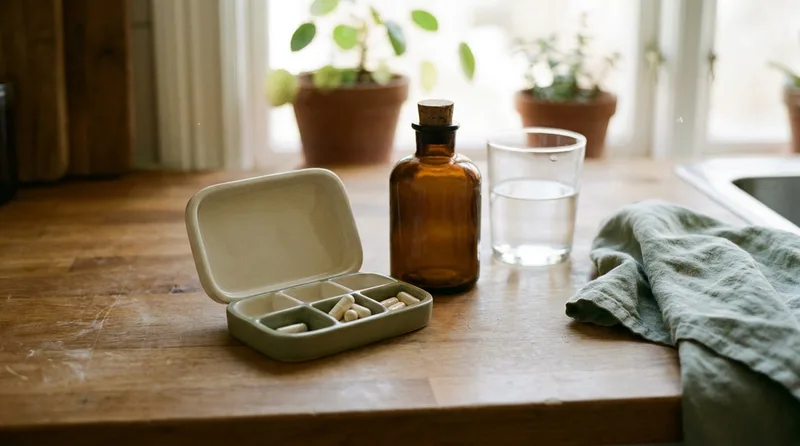
Medicine is the biggest of the dry mouth causes, and hundreds of medicines can reduce saliva. The ADA lists antihistamines, decongestants and diuretics among the many common examples, and NIDCR says medicines for high blood pressure, depression and bladder-control issues often cause it. Don't stop any medicine on your own, but do mention dryness to your doctor.
Why does this happen? Many medicines act on systems that also tell the salivary glands what to do. Dryness is a side effect, not a sign anything is wrong with the medicine. Your doctor weighs that against the benefit it brings you.
There are options. NIDCR says that if a medicine is causing dry mouth, your doctor or dentist may advise changing the medicine or adjusting the dose, or may suggest a saliva substitute. That decision belongs to the person who prescribed it, so bring it up at your next appointment.
Several health conditions and treatments can reduce saliva, including Sjögren's disease, diabetes, HIV/AIDS, radiation therapy to the head and neck, chemotherapy and immunotherapy, and nerve damage from a head or neck injury. NIDCR also says dry mouth is not a normal part of aging.
The ADA adds that in some cases, dry mouth can be an indicator of Sjögren's syndrome. That's one reason persistent dryness deserves a proper look instead of a shrug. It can be the first visible sign of something your doctor will want to know about. If you've had cancer treatment, tell your dental team early, so they can plan your care around the dryness it may cause.
Many people assume dry mouth just comes with getting older. NIDCR is direct that it doesn't. If your mouth is persistently dry, there's a cause to find, and that cause is often something that can be managed.
Among everyday dry mouth causes, tobacco, alcohol and caffeine can all dry out your mouth, according to NIDCR. It says caffeine can dry out the mouth and lead to dehydration, and that tobacco and alcohol dry out the mouth too. Habits don't usually cause chronic dryness alone, but they can make it worse.
Frequent snacking matters too, because a dry mouth cleans itself less effectively. Our guide to snacking and cavity risk between cleanings explains how often eating affects your teeth. And if you've noticed bad breath, our guide to the causes of bad breath covers why dryness often shows up there.
The good news is that habits are the part of the picture you control. Cutting back on one or two of these, alongside whatever your doctor advises about medicines, can noticeably improve how your mouth feels within days. Small changes add up, and you don't have to change everything at once.
Less saliva means more cavities and infections. NIDCR says dry mouth increases the risk of tooth decay and fungal infections in the mouth because saliva helps keep harmful germs in check, and the ADA notes that without saliva, extensive tooth decay can also occur.
Think about what saliva normally does after a meal. The ADA explains that it washes away food and debris, neutralizes acids produced by bacteria, and provides disease-fighting substances throughout the mouth as first-line protection against overgrowth of microbes. Without enough of it, acids linger on your teeth longer and bacteria multiply more easily.
Gums are affected too. Some 42% of adults aged 30 and older have some form of periodontal disease, according to CDC 2024 data, and a dry mouth can make plaque harder to clear. Our guide to the signs of gum disease shows what to look for, and gum disease treatment stages explains what care looks like.
That's why dry mouth is a dental issue, not only a comfort issue. Nearly 1 in 4 adults in the US already has untreated tooth decay, according to the CDC's National Center for Health Statistics, and dryness can add to that risk. Catching it early is the best protection.
Symptoms include a sticky, dry feeling in the mouth, trouble chewing, swallowing, tasting or speaking, a burning or itchy feeling, a dry throat, cracked lips, mouth sores, recurring infections and bad breath. NIDCR and the ADA list these, and the ADA adds hoarseness, a constant sore throat and dry nasal passages.
You don't need every symptom to have a problem. A few persistent ones are enough to justify a visit, especially if you've started needing water to swallow food, or if your teeth have suddenly developed several new cavities.
Dry mouth is also easy to miss in yourself, because it builds slowly. If friends or family have commented on your breath, or you've been reaching for lip balm and water constantly, it's worth mentioning at your next exam. Note when the dryness is worst, such as at night or after certain medicines, since the pattern helps narrow down the cause.
Sip water through the day and with meals, chew sugarless gum or suck on sugarless candy to stimulate saliva, avoid tobacco and alcohol, and use a humidifier at night. These are NIDCR's suggestions, and the ADA adds that artificial saliva and oral rinses can replace moisture.

Protect your teeth while you're at it. Good home care and regular checkups matter even more with a dry mouth, and our guide to fluoride treatment for adults explains one way dentists strengthen enamel. Your dentist can recommend what suits your situation.
If a home measure doesn't help after a couple of weeks, don't keep trying product after product. Persistent dryness usually has a cause worth finding, and your dentist or doctor can narrow it down faster than trial and error. Bring a list of your medicines to the visit, including over-the-counter ones and supplements.
See a dentist or doctor if your mouth stays dry, or if you have trouble chewing, swallowing, tasting or speaking, mouth sores or recurring infections. NIDCR says your doctor or dentist will review your medical history and medications, and may suggest blood tests or a test that measures how much saliva you make.
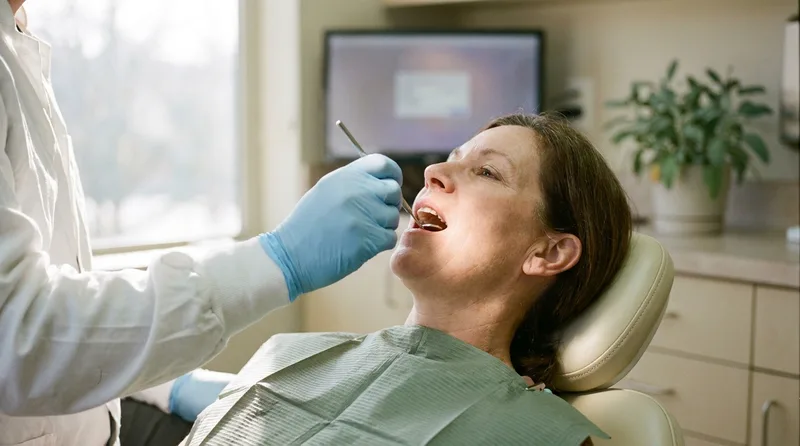
At Elia Family Dental, the visit starts with a thorough exam of your teeth, gums and bite, with digital X-rays when they're useful, so any early decay or gum changes are found. Our guide to what happens at a dental cleaning walks through the visit, and how often you should get your teeth cleaned explains timing. If dryness is making you prone to problems, your dentist may suggest more frequent visits.
The ADA says your dentist can recommend various methods to restore moisture, and NIDCR says treatment depends on the cause. That might mean talking with your doctor about a medicine, adding a saliva substitute, or adjusting your home routine. According to the American Dental Association, regular dental visits can catch 80% of oral health issues before they become serious, which matters even more when your mouth is dry.
Insurance and payment shouldn't hold you back. Elia Family Dental accepts Delta Dental, Blue Cross Blue Shield, Cigna, Principal and most PPO plans, and verifies your coverage before treatment begins. Sunbit and CareCredit financing are available, and Sunbit doesn't require a hard credit check. We don't accept HMO, Medicaid or Medicare plans, and we don't list dollar amounts here.
Americans who see a dentist regularly are also 60% less likely to lose teeth, according to the Journal of Dental Research. If dry mouth causes sound like your situation, book a visit. Dr. Elia's team will check your teeth and gums, help you work out what's behind the dryness, and give you a clear plan.
Results may vary. Please consult with your dentist at Elia Family Dental for personalized treatment recommendations.
Ready to Get Relief for a Dry Mouth?
Book an appointment with Elia Family Dental and our team will check your teeth and gums and help you plan next steps.
Book an Appointment →Prefer to talk it through first?
Call 732-681-8604 →Written By
Lead Dentist
Front tooth implant explained: steps, timeline, temporary teeth, natural results and who qualifies. Plan yours with Elia Family Dental in Wall Township.
Dental implants with gum disease are possible when gum health is controlled first. See what research says, how treatment works, and what to expect.
Diabetes and gum disease affect each other. Learn the risks, warning signs, and how deep cleanings and checkups protect your gums in Wall Township.
Book your visit with Dr. Elia online or call us, and we'll take it from there.