Dental Implants
Front Tooth Implant: What to Expect From Start to Finish
Front tooth implant explained: steps, timeline, temporary teeth, natural results and who qualifies. Plan yours with Elia Family Dental in Wall Township.
Nov 4, 202610 min read



Diabetes and gum disease affect each other in both directions: high blood sugar raises the risk of gum problems, and serious gum disease can make blood sugar harder to control. At Elia Family Dental in Wall Township, Dr. Nicole Elia treats gum disease with scaling and root planing and laser-assisted periodontal treatment, with a periodontist in the same office when advanced care is needed.
Maybe you noticed a little pink in the sink when you brushed, and wrote it off. Maybe your doctor mentioned your A1C and your dentist mentioned your gums, and nobody connected the two. For many people living with diabetes, the mouth and the blood sugar numbers are closer related than they seem.
This guide explains how the two conditions influence each other, what to watch for, what treatment involves, and what you and your dentist can do together. It's general education only. Your doctor manages your diabetes, and your dentist manages your gums.
Living With Diabetes and Due for a Gum Check?
Book a visit and our team will measure your gums and explain what your results mean for your care.
Book Appointment →Diabetes and gum disease affect each other in both directions. The ADA's MouthHealthy guide to diabetes and dental health says poor blood sugar control raises the risk of gum problems, and that serious gum disease can cause blood sugar to rise, making diabetes even harder to control. It calls this a vicious cycle.
The link works through infection and inflammation. Gum disease is an infection of the tissues that surround and support your teeth, and the ADA notes that diabetes can upset the natural balance in our bodies, including our mouths. When the bacteria in plaque tip out of balance, gums become inflamed, and inflamed gums are harder to keep healthy.
Importantly, the cycle can be interrupted at either end. Better blood sugar control helps protect your gums, and healthier gums may make blood sugar easier to manage. That's why your dentist and your doctor are on the same side.
You don't need to be alarmed, because it's very manageable. The first step is simply knowing the connection exists, so you tell your dental team about your diabetes and keep your checkups.
Diabetes raises the risk of gum disease by upsetting the balance in the body, including the mouth, which often leads to periodontal disease. The ADA says periodontal disease is the most common dental concern for people living with diabetes, affecting nearly 22% of all people with Type 1 and Type 2 diabetes.

The ADA adds that poor blood sugar control raises the risks for gum problems, especially as we age. NIDCR also lists diabetes among the risk factors for gum disease, along with older age and genetics, and names smoking or using tobacco as the most significant risk factor of all.
Gum disease is common even without diabetes. Some 42% of adults aged 30 and older have some form of periodontal disease, according to CDC 2024 data. Diabetes adds to a risk that many people already carry, which is why gum checks matter more, not less.
Tobacco deserves a special mention. NIDCR says tobacco use can also delay healing and make treatment for gum disease less successful, and the ADA's diabetes checklist includes avoiding both smoking and smokeless tobacco. If you use tobacco, your dentist and doctor can help you plan to quit.
Serious gum disease can cause blood sugar to rise, which makes diabetes harder to control and raises the risk of infection, according to the ADA. It also says research suggests that treating gum disease can help improve blood sugar control, slowing down the progression of the disease.
One finding stands out. The ADA says that having deep cleanings in your dentist's office can help reduce your HbA1c, the lab result that shows your average level of blood sugar over the previous three months. That's a reason to treat gum disease promptly rather than watch it.
Keep that in proportion. Treating your gums is one part of managing diabetes, not a replacement for your medicines, diet, activity or your doctor's guidance. Use your diabetes medications as directed, and don't change your treatment based on anything in a dental article.
What the research does support is teamwork. Tell your doctor about any gum problems, and tell your dentist about your diabetes, your medicines and your recent numbers, so each can make better decisions.
Beyond gum disease, diabetes can cause dry mouth, more tooth decay, irritated and sensitive gums, trouble tasting food, and a higher chance that small cuts or sores in the mouth become infected. The ADA lists each of these as ways diabetes can affect your mouth.
Dry mouth is the most common of these, and it protects your teeth in ways you may not realize. Our guide to dry mouth causes explains what saliva does and what helps. The ADA also notes that children living with diabetes often get their adult teeth sooner than their peers, which is worth mentioning to a pediatric or family dentist.
These effects feed one another. A dry mouth raises the risk of decay, and sores that heal slowly can lead to infections. That's why a diabetes-aware dental visit looks at the whole mouth and not only the gums. Telling your dental team about changes in taste or dryness gives them useful clues about what to check.
Warning signs include gums that bleed easily, red, swollen or tender gums, gums that recede from the teeth, loose or sensitive teeth and persistent bad breath. NIDCR lists these symptoms, and the ADA adds that it's possible to have gum disease and no warning signs at all.
That last point from the ADA is why routine exams matter: gum disease can be silent. Our guide to the signs of gum disease covers the details, and how often adults need a dental checkup explains the usual schedule. Don't wait for symptoms to book a visit, especially with diabetes.
If you notice bleeding, don't stop brushing and flossing to avoid it. The bleeding is a sign the gums are inflamed, and gentle, consistent cleaning is part of how they recover. Mention it at your next visit, and ask your dentist to show you your pocket measurements so you can track changes over time.
Your dentist examines your gums, measures the pockets around your teeth with a small probe, reviews your medical history and takes X-rays to check for bone loss. NIDCR says healthy pockets are usually between 1 and 3 millimeters, and that deeper pockets can be a sign of periodontal disease.
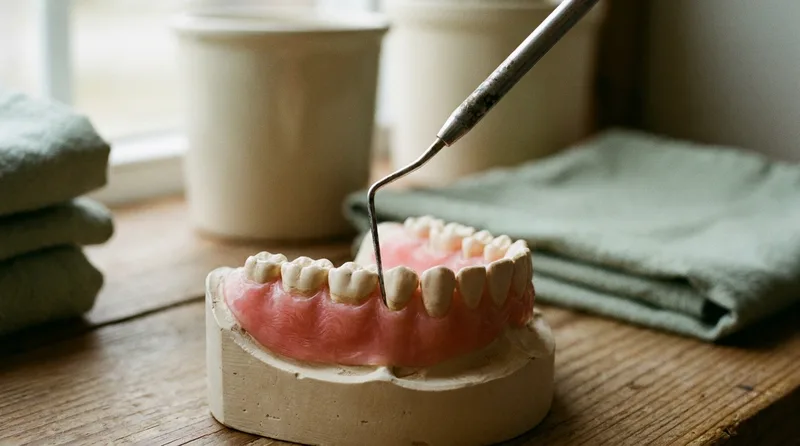
Treatment depends on how far the disease has progressed. NIDCR says early gum disease caused by plaque buildup can often be reversed by daily brushing and flossing, while people with periodontal disease need treatment from a dentist or hygienist. The dentist may do scaling and root planing, a deep cleaning, and advanced cases may need surgery.
Those steps are Elia Family Dental's periodontal treatment process. Our guides to scaling and root planing, laser gum treatment and the stages of gum disease treatment go into each step. If your case needs surgery, our guide to periodontist vs dentist explains who treats what, and NIDCR notes your dental professional may refer you to a periodontist.
Work as a team. The ADA says that if you have diabetes, regular dental visits are a must, and it suggests asking your dentist how often you should come in for cleanings and checkups. Between visits, use your medicines as directed, eat well, stay active, avoid tobacco and keep up your daily cleaning.

That checklist comes from the ADA, and it's refreshingly ordinary. There's no secret product, just consistent habits plus professional care. Our guide to what happens at a dental cleaning explains the visit, and the periodontal maintenance schedule explains follow-up after gum treatment.
According to the American Dental Association, regular dental visits can catch 80% of oral health issues before they become serious, which is exactly what you want when your gums are at higher risk. Bring a current list of medicines to your visits, and mention any changes in your diabetes treatment, so your team can plan around them.
Cost depends on your gum measurements and the treatment you need, so the clearest answer is a personalized estimate after your exam. Elia Family Dental accepts Delta Dental, Blue Cross Blue Shield, Cigna, Principal and most PPO plans, and verifies your coverage before treatment begins. We'll still work with your plan if you're out of network.
We don't list dollar amounts here. Sunbit and CareCredit financing are available, with flexible monthly payments and a quick application, and Sunbit doesn't require a hard credit check. We don't accept HMO, Medicaid or Medicare plans, so call us if you're unsure which category your plan falls into.
If you're managing diabetes and gum disease together, the best move is to get your gums measured and start a plan. Americans who see a dentist regularly are 60% less likely to lose teeth, according to the Journal of Dental Research. Book a visit, and Dr. Elia's team will examine your gums, explain what they find, and coordinate with the rest of your care.
Thinking about an implant? Our guide to dental implants with gum disease explains how gum health affects implant success.
Results may vary. Please consult with your dentist at Elia Family Dental for personalized treatment recommendations.
Ready to Protect Your Gums?
Book an appointment with Elia Family Dental and our team will measure your gums and build a plan around your health.
Book an Appointment →Prefer to talk it through first?
Call 732-681-8604 →Written By
Lead Dentist
Front tooth implant explained: steps, timeline, temporary teeth, natural results and who qualifies. Plan yours with Elia Family Dental in Wall Township.
Dental implants with gum disease are possible when gum health is controlled first. See what research says, how treatment works, and what to expect.
Periodontist vs dentist: learn who treats gum disease, gum grafts and dental implants, when to see each, and how Elia Family Dental works as one team.
Book your visit with Dr. Elia online or call us, and we'll take it from there.