Dental Implants
Front Tooth Implant: What to Expect From Start to Finish
Front tooth implant explained: steps, timeline, temporary teeth, natural results and who qualifies. Plan yours with Elia Family Dental in Wall Township.
Nov 4, 202610 min read


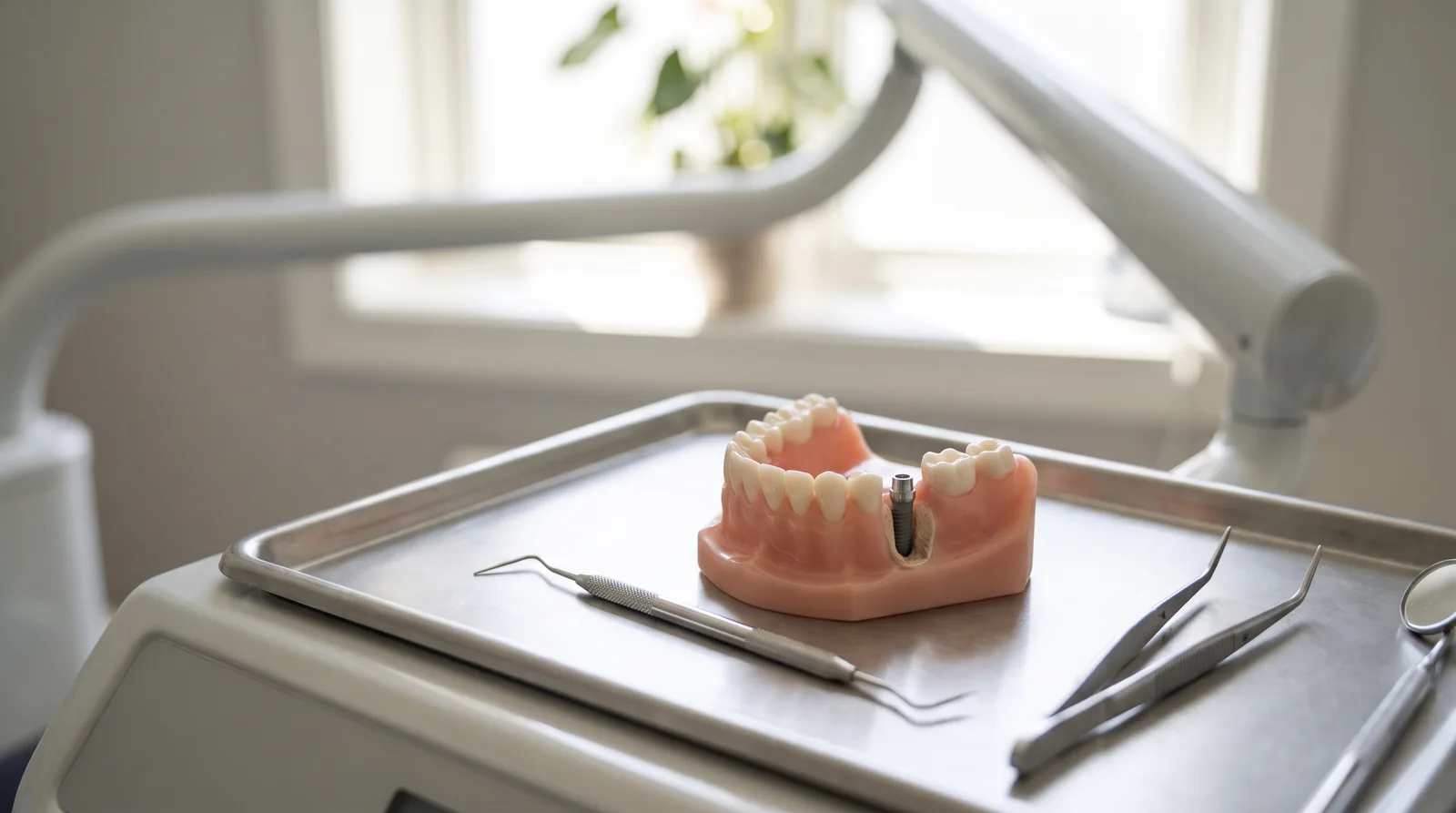
Dental implants with gum disease are often possible once the gum disease is treated and controlled, but untreated gum disease is a real risk to an implant. At Elia Family Dental in Wall Township, board-certified periodontist Dr. Marjorie Baptiste places dental implants and treats gum disease and bone loss, and Dr. Nicole Elia completes the final restoration, all in one office.
You've lost a tooth, or you're about to, and gum disease may be the reason. Now you're wondering whether an implant is still on the table, or whether your gums have closed that door. It's a fair worry, and the honest answer is more hopeful than most people expect, with some conditions attached.
This guide explains what the research says, what has to happen first, how bone loss is handled, and what affects long-term success. It's general education only, and a periodontal exam with 3D imaging decides what's possible for you.
Missing a Tooth and Worried About Your Gums?
Book a visit and our team will measure your gums, scan your bone and explain whether an implant is a good fit.
Book Appointment →Yes, in many cases, once gum disease has been treated and is kept under control. A 2015 systematic review in the Journal of Periodontology concluded that implant therapy can be successfully used in patients with a diagnosis of periodontitis who underwent proper therapy and regular periodontal maintenance.
The condition matters as much as the conclusion. Gum disease is an infection of the tissues that surround and support your teeth, and an implant depends on healthy gums and enough bone to hold it. If the infection is still active, the same problem can spread to the tissue around the implant.
So the real question isn't "can I have an implant despite gum disease?" It's "has my gum disease been treated and stabilized, and will I keep it that way?" If the answer is yes, an implant is often a sound option. If not, treatment comes first.
That sequence protects your investment. Placing an implant in a mouth with active disease is like planting in poor soil. The goal is to fix the soil first.
Gum disease matters because implants depend on healthy gums and bone, and research links a history of periodontitis to higher implant risks. A meta-analysis in Clinical Oral Implants Research found a higher risk of implant loss, more bone loss around implants, and an increased risk of peri-implantitis in patients with periodontal disease.
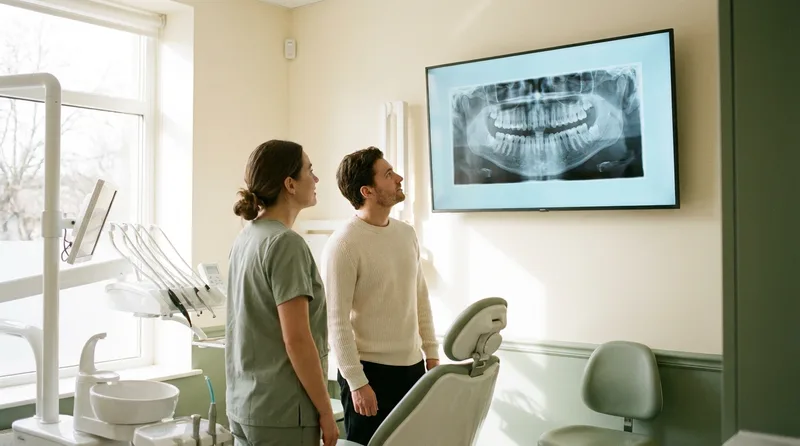
The same review rated the evidence differently by outcome. It concluded that strong evidence suggests periodontitis is a risk factor for implant loss, while moderate evidence suggests it is a risk factor for peri-implantitis and for higher bone loss around implants. Peri-implantitis is inflammation and bone loss around an implant.
An earlier systematic review, from 2006, found a more mixed picture. Implant survival wasn't significantly different between people who lost teeth to periodontitis and those who didn't, but peri-implantitis and bone loss around the implant were more common in the periodontitis group. The authors cautioned that the results came from only two small studies.
Put together, the message is consistent: a history of gum disease raises risk, particularly for problems around the implant, but it doesn't rule implants out. It means more careful planning and more careful follow-up.
They can work well. The 2015 systematic review found that implant survival was high, at 92.1%, within studies reporting 10 years of follow-up in patients with periodontitis who had been treated and followed for periodontal maintenance. Results depend on gum health, smoking and keeping your maintenance visits.
The review also identified what made outcomes worse. Parameters such as probing depth and bone loss around natural teeth increased the occurrence of peri-implantitis and implant loss, and residual pockets, non-attendance at periodontal maintenance and smoking were negative factors for long-term results.
That list is useful because most of it is within your control. You can finish gum treatment, keep your maintenance visits and quit tobacco. The remaining factors, like pocket depth, are what your periodontist works to reduce before and after surgery.
Keep the numbers in perspective. A 92.1% survival figure comes from a group of studies, not a promise for one patient. It tells you implants can succeed in this group, and it tells you what to focus on to be among those who do.
Typically, your gum disease is evaluated, treated and stabilized first, then your bone is assessed and the implant is planned with 3D imaging. At Elia Family Dental, periodontal treatment starts with digital X-rays and an exam of pocket depth and bone levels, followed by deep cleaning, a home care plan and ongoing maintenance.
Our guides to scaling and root planing, pocket reduction surgery and the stages of gum disease treatment explain the first steps, and the dental implant process shows the rest. If you're unsure who does what, periodontist vs dentist explains it.
Why not do everything at once? Because inflamed gums bleed, heal poorly and can't give an accurate picture of the bone beneath them. Treating the infection first gives your periodontist a stable foundation to work with, and it gives you the chance to show, to yourself and your team, that you can keep the disease under control.
Often, yes. Guided bone regeneration rebuilds lost bone with graft material and a protective barrier membrane, and at Elia Family Dental new natural bone develops over about 3 to 9 months. Our periodontist plans it with 3D imaging, and the whole plan stays in one office.

Elia's guided bone regeneration page notes that bone loss often progresses quietly following tooth extraction or advanced periodontal disease, reducing structural support for surrounding teeth and implants. That's exactly the situation many implant candidates face.
Our guide to bone grafting before dental implants explains the options in detail, and if a tooth still has to come out, socket preservation after extraction explains how the bone can be protected from the start. Whether you need either depends on your scan.
Healing takes time, and that's built into the plan. Your periodontist monitors the site at follow-up visits and tells you when it's ready for the next step, rather than rushing it.
Long-term success depends on gum health, maintenance and habits: the research points to residual pockets, skipped maintenance visits and smoking as negative factors, and the ADA says chronic illnesses such as diabetes may interfere with healing and tobacco can slow it. Your overall health matters more than your age.
If you have diabetes, our guide to diabetes and gum disease explains how the two affect each other. For long-term care, dental implant maintenance covers daily and professional care, and the periodontal maintenance schedule explains follow-up after gum treatment. The purpose of maintenance is early detection, since small changes caught at a visit are far easier to handle than problems discovered later.
The ADA adds that you may be evaluated by a physician before implant surgery. That's a routine safety step, not a verdict, and it helps your team plan around any health conditions you have.
Watch for the same warning signs that point to gum disease around natural teeth: gums that bleed easily, red, swollen or tender gums, persistent bad breath or a bad taste, and any change in how your teeth fit together. These deserve a prompt call, because early treatment is simpler.

Our guide to dental implant failure signs lists the early warning signs in more detail, and the signs of gum disease post covers the natural-teeth version. Some 42% of adults aged 30 and older have some form of periodontal disease, according to CDC 2024 data, so these signs are worth knowing.
Don't wait to see whether it settles. A quick exam with an X-ray can show whether there's early inflammation or bone change, and catching it early is the best way to protect the implant. If you're not sure whether what you're seeing is normal, note when it started, since specifics help your dentist.
Elia keeps the whole journey in one office. Your gum disease is treated by Dr. Elia and, when it's advanced, by our periodontist. Your implant is placed by the periodontist, and Dr. Elia crafts and attaches the final crown, so everyone works from the same scans, measurements and plan.
Cost depends on your gums, your bone and the type of restoration, so the clearest answer is a personalized estimate after your exam. Elia Family Dental accepts Delta Dental, Blue Cross Blue Shield, Cigna, Principal and most PPO plans, and verifies your coverage before treatment begins. We don't list dollar amounts here.
Sunbit and CareCredit financing are available, with flexible monthly payments and a quick application, and Sunbit doesn't require a hard credit check. We don't accept HMO, Medicaid or Medicare plans. According to the American Dental Association, regular dental visits can catch 80% of oral health issues before they become serious, which is the habit that protects an implant for the long run.
If you're weighing dental implants with gum disease in the picture, start with the exam. Dr. Elia's team will measure your gums, scan your bone and tell you honestly whether you're ready for an implant, or what has to happen first.
Results may vary. Please consult with your dentist at Elia Family Dental for personalized treatment recommendations.
Ready to Find Out If an Implant Fits?
Book an appointment with Elia Family Dental and our team will check your gums and bone and explain your options.
Book an Appointment →Prefer to talk it through first?
Call 732-681-8604 →Written By
Lead Dentist
Front tooth implant explained: steps, timeline, temporary teeth, natural results and who qualifies. Plan yours with Elia Family Dental in Wall Township.
Diabetes and gum disease affect each other. Learn the risks, warning signs, and how deep cleanings and checkups protect your gums in Wall Township.
Periodontist vs dentist: learn who treats gum disease, gum grafts and dental implants, when to see each, and how Elia Family Dental works as one team.
Book your visit with Dr. Elia online or call us, and we'll take it from there.