Dental Implants
Socket Preservation After Extraction: Do You Need It?
Socket preservation after extraction can limit bone loss before an implant. Learn who needs it, how it works and what to expect in Wall Township.
Nov 2, 202610 min read



Toothache relief at home is a warm water rinse, gentle flossing and soft foods, and it only buys time. None of it treats the cause, so you should still call a dentist the same day if the toothache lasts more than a day or comes with swelling. At Elia Family Dental in Wall Township, Dr. Nicole Elia offers same-day emergency dentistry during business hours.
You tried ignoring it. Then you tried a cold drink, and that made it worse. Now you're trying to work out what's safe to do at home, what's a myth, and how long you can realistically wait. That's a reasonable set of questions, and this guide answers each one.
If you need an appointment rather than advice, our guide to toothache near me in Wall Township covers when to call and what a same-day visit involves. This guide is about the hours before that visit. It's general education only, and a dentist has to examine the tooth to find the cause.
Need Relief Today? Call Us
Call 732-681-8604 and describe your toothache. We will walk you through safe next steps and make room during business hours.
Book Appointment →A warm water rinse, gentle flossing around the tooth, a cold compress on the cheek if there's swelling, and soft, lukewarm foods can ease a toothache for a while, but none of them treats the cause. The ADA's MouthHealthy emergency guidance recommends rinsing with warm water and gently flossing out any food caught between the teeth.
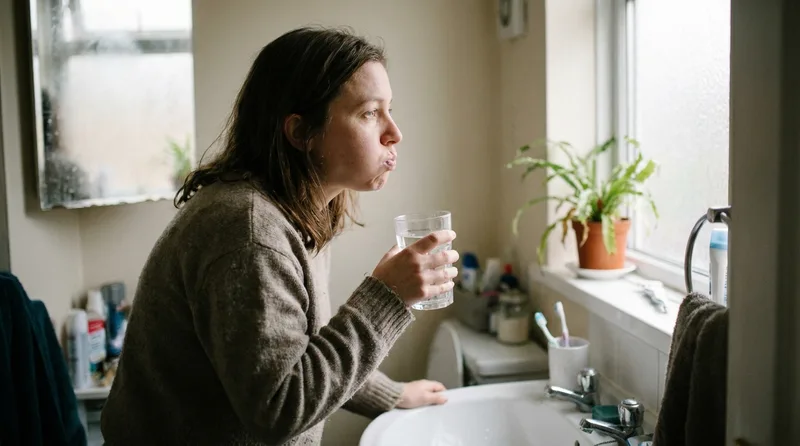
Start with the simplest step. Food trapped between teeth can irritate the gum and the tooth, so a warm rinse and a careful pass with floss sometimes settle things on their own. Go gently. Forcing the floss can make the area more tender.
If your face or gum is swollen, a cold compress held against the outside of the cheek is a reasonable comfort measure. Think of it as a way to feel better while you arrange an appointment, not a way to avoid one. Swelling is one of the signs that means call right away.
Then adjust what you eat. Soft, lukewarm foods on the opposite side keep pressure and temperature swings off the sore tooth. Skip anything very hot, very cold, sticky or crunchy until the tooth has been looked at. That alone often makes the day more manageable.
The type of toothache points toward the likely cause, which tells you what may help for now and how soon to call. A quick zing to cold usually means something different from throbbing that keeps you awake, and each calls for a different level of urgency.
| What you notice | What it may point to | What may help for now | When to call |
|---|---|---|---|
| A quick zing to cold or sweet that fades fast | Sensitivity from worn enamel, a worn filling or an exposed root | Avoid the trigger, and ask about desensitizing toothpaste | Soon, especially if it lingers |
| Throbbing that keeps you awake | Deep decay or an infected nerve | Warm rinse, gentle flossing, soft foods | Today |
| Discomfort when you bite down | A crack, or a loose filling or crown | Chew on the other side | Within a day |
| Swollen gum or a bump near the tooth | A possible abscess | Cold compress on the cheek | Right away |
| Tender, bleeding gums around one tooth | Gum inflammation or trapped food | Gentle flossing and a warm rinse | Within a few days |
Sensitivity is the one type with a real home option. The ADA's MouthHealthy guide to sensitive teeth notes that desensitizing toothpaste contains compounds that help block sensation from the tooth surface to the nerve, and that it usually needs several applications before sensitivity drops. Our guide to sudden tooth sensitivity lists common triggers.
The other types need a dentist. A cracked tooth is covered in our cracked tooth guide, and swelling or a gum bump deserves a look at our dental abscess warning signs. If your symptoms don't match any row, call and describe them. The team can sort out urgency in a couple of minutes.
Avoid putting aspirin on the tooth or gum, probing the tooth with sharp objects, chewing on that side, eating very hot, cold or sweet foods, and waiting for weeks hoping it settles. The ADA says not to put aspirin on the aching tooth or gum tissue, and not to remove stuck objects with sharp or pointed instruments.
The last item matters most. Decay, cracks and infections tend to progress, and a toothache that fades for a day hasn't been fixed. Nearly 1 in 4 adults in the US has untreated tooth decay, according to the CDC's National Center for Health Statistics, and many of them put off a visit because the toothache eased.
You'll see many home remedies online. The ADA's own emergency advice is limited to a warm rinse, gentle flossing and keeping sharp objects away from the tooth, and nothing replaces an exam. If a remedy involves putting something on the gum or tooth, skip it and call us instead. A short phone call is safer than an experiment.
Keep your head slightly raised on an extra pillow, skip hot, cold or sweet snacks before bed, brush gently, and keep the office number handy so you can call as soon as we open. A toothache tends to feel louder at night, so a calm routine and a plan for the morning both help.

If the toothache gets worse overnight, and especially if swelling spreads or you have a fever, don't wait until morning. Go to an emergency room if swelling affects your breathing or swallowing. For anything milder, call us when the office opens and follow the voicemail guidance if it's an evening or weekend.
Planning ahead helps. Put the office number and hours in your phone tonight, and decide now what would send you to the emergency room instead of waiting. Having that decision made in advance is far easier than making it at 3 a.m. with a throbbing tooth.
Over-the-counter medicines can take the edge off a toothache for some people, but the right choice depends on your health, your other medicines and any allergies. Ask your dentist or pharmacist what's safe for you, follow the label exactly, and never use a medicine as a reason to skip the appointment.
Here's why we don't name a product or a dose. Someone with a stomach condition, a blood thinner prescription or an allergy needs a different answer from someone without those. A pharmacist can check your medicines in a minute, and the office can tell you what's reasonable until you're seen.
One firm rule comes from the ADA: don't put aspirin directly on the tooth or gum. Swallowing a medicine as directed is a different thing from placing a tablet against tissue. Keep tablets out of your mouth's soft tissues, and use only what the label and your pharmacist support.
Also remember that medicine masks a signal. If a pill makes the toothache go quiet, the cause is still there. That's another reason to treat any relief as a pause rather than an answer.
Toothache relief wears off because it treats the symptom, not the cause. A warm rinse or a medicine can quiet the discomfort for a while, but decay, a crack, an infection or inflamed gums remain until a dentist treats them, and they tend to progress in the meantime.
Gum problems are a good example. Some 42% of adults aged 30 and older have some form of periodontal disease, according to CDC 2024 data, and gum inflammation around one tooth can come and go while the underlying problem grows. A toothache that settles isn't the same as gums that have healed.
Infection is the more serious case. A dental abscess can spread to other parts of the body within 48 hours if untreated, according to JADA. That doesn't mean every toothache is an abscess. It means swelling, a fever, a bad taste or a bump on the gum should move you from home care to a phone call.
A toothache that suddenly disappears can also be misleading. Sometimes the nerve has stopped responding, and the problem remains. If the discomfort goes away but the swelling or bump doesn't, call anyway.
A dentist finds the cause with an exam and imaging, then treats it with the most conservative option that works: a filling, a crown, a root canal, gum treatment, or an extraction when a tooth can't be saved. At Elia Family Dental, same-day visits use digital X-rays and 3D imaging, with thorough numbing before treatment.
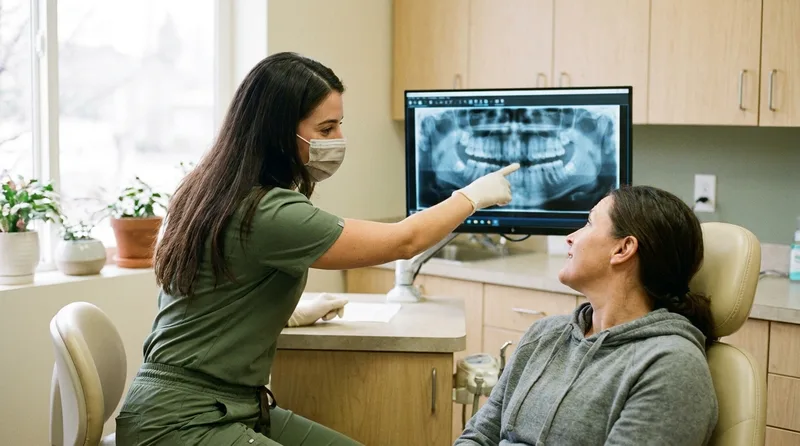
You'll hear the plan before treatment begins, with clear options, timelines and costs. Dr. Elia's care is backed by hospital residency training, and new patients are welcome for dental emergencies, so you don't need an existing record to be seen. The exam is thorough, and nothing is done until you understand it.
Often, treatment can start the same day, because the exam and imaging happen at the first visit. If you're curious what to expect in more detail, our overview of dental emergencies in Wall Township walks through the process.
Stop waiting and call if a toothache lasts more than a day, wakes you at night, or comes with swelling, a fever, a bad taste or a bump on the gum. The ADA advises seeing your dentist as soon as possible for a dental emergency, and most dentists reserve time each day for emergency patients.
Fear is a common reason people wait. About 36% of Americans have dental anxiety, according to a 2024 BMC Oral Health study. If that's part of it, say so when you call. A short conversation about what will happen, step by step, usually makes the visit feel far more manageable than the waiting does.
Our hours are Monday and Thursday 9 AM to 5 PM, Tuesday 9 AM to 6 PM, and Friday 8 AM to 2 PM, and we're closed on Wednesday. After hours, call and follow the voicemail guidance, and go to an emergency room if swelling affects your breathing or swallowing.
Cost shouldn't be the reason you wait. We accept Delta Dental, Blue Cross Blue Shield, Cigna, Principal and most PPO plans, and we verify your coverage before treatment begins. Sunbit and CareCredit financing are available, and Sunbit doesn't require a hard credit check. We don't accept HMO, Medicaid or Medicare plans.
Toothache relief at home is worth knowing, and it's meant to be short. According to the American Dental Association, regular dental visits can catch 80% of oral health issues before they become serious, which is why checkups beat midnight guesswork. For tonight, rinse, floss gently and call us in the morning.
Results may vary. Please consult with your dentist at Elia Family Dental for personalized treatment recommendations.
Ready for Real Relief?
Call Elia Family Dental and describe your toothache. We offer same-day emergency appointments during business hours.
Book an Appointment →Prefer to talk it through first?
Call 732-681-8604 →Written By
Lead Dentist
Socket preservation after extraction can limit bone loss before an implant. Learn who needs it, how it works and what to expect in Wall Township.
Screw-retained vs cemented implant crowns explained: how each attaches, what research shows, and how Elia Family Dental chooses for your implant.
Toothache near me? Learn the signs that mean call today, safe steps until your visit, and how same-day emergency care works in Wall Township.
Book your visit with Dr. Elia online or call us, and we'll take it from there.