Dental Implants
Screw-Retained vs Cemented Implant Crowns Explained
Screw-retained vs cemented implant crowns explained: how each attaches, what research shows, and how Elia Family Dental chooses for your implant.
Nov 2, 202610 min read


Socket preservation is a procedure done at the time of a tooth extraction, when graft material is placed in the empty socket to help the bone keep its shape. It's also called ridge preservation, and not every extraction needs it. At Elia Family Dental in Wall Township, Dr. Nicole Elia handles extractions and oral surgery with bone and tissue preserved wherever possible, and our periodontist is in the same office if more bone support is needed.
Picture a back molar that has to come out. The extraction itself goes smoothly, and then your dentist asks a question you didn't expect: "Do you plan to replace it?" The answer matters, because the bone that held that tooth begins to change as soon as the tooth is gone.
This guide explains what changes after an extraction, who benefits from it, what the procedure involves, and what the alternatives are. It's general education only, and your exam and 3D imaging decide what fits your mouth.
Facing an Extraction and Thinking About an Implant?
Book a visit and Dr. Elia will review your imaging and explain whether protecting the bone makes sense for you.
Book Appointment →Socket preservation places graft material into the socket right after a tooth is removed, often covered with a protective membrane, to help the bone keep its shape. A systematic review in the Journal of Dental Research describes ridge preservation as a strategy to minimize the loss of ridge volume that typically follows tooth extraction.
Normally, a socket heals on its own. The ADA explains that after an extraction your mouth slowly fills in the bone where the tooth root was through the formation of a blood clot. That natural process works, but the bone around it doesn't always hold its original width and height while it heals.
It is a way of giving that healing process a framework. Instead of leaving an open socket, the dentist or periodontist fills it so the surrounding bone has something to support it. The goal isn't to add bone beyond what you had. It's to protect what's there.
At Elia Family Dental, extractions are planned with digital X-rays and 3D imaging. Our oral surgery process preserves the surrounding bone and tissue whenever possible, and you leave with a clear plan for replacing the tooth. Our guide to the tooth extraction recovery timeline covers what healing looks like day to day.
Bone shrinks after an extraction because the ridge that surrounded the tooth reshapes itself once the tooth is gone. A systematic review of human studies found horizontal bone loss of 29 to 63% and vertical bone loss of 11 to 22% six months after extraction.
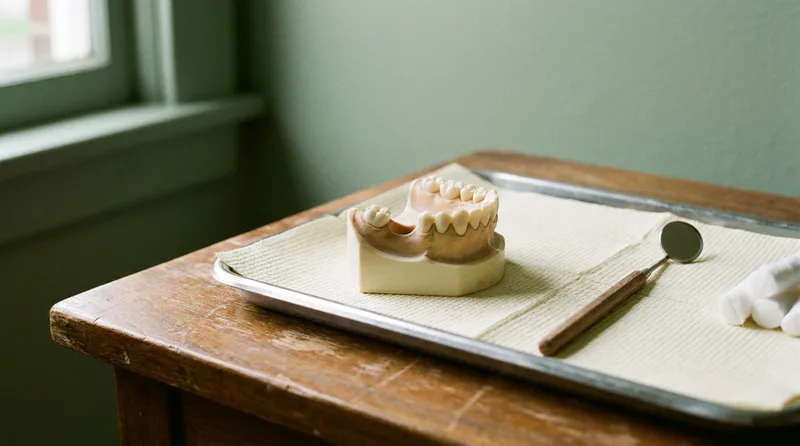
The same review reported that, on average, the ridge lost about 3.79 mm in width and 1.24 mm in height on the cheek side at six months. It also found that the changes were rapid in the first 3 to 6 months and then continued more gradually. Those are averages across studies, so any one person's result can differ.
Why does it matter? Width and height decide whether an implant can be placed with good support later, and how natural a replacement tooth looks beside its neighbors. In the front of the mouth, where gum shape shows when you smile, the effects of bone loss are easier to see.
Elia's guided bone regeneration page makes the same point in plain language: bone loss often progresses quietly following tooth extraction or advanced periodontal disease, reducing structural support for surrounding teeth and implants. Quiet is the key word. You don't feel it happening.
You're more likely to benefit from socket preservation if you plan to replace the tooth with an implant, if the tooth is in a visible part of your smile, or if infection or gum disease has already affected the bone. It isn't needed for every extraction, and your imaging and plan decide.
When might you not need it? If the tooth won't be replaced with an implant, or if there's plenty of healthy bone and the site isn't visible, many dentists simply let the socket heal. The evidence shows ridge preservation limits bone loss compared with extraction alone, but that doesn't mean every socket calls for a graft.
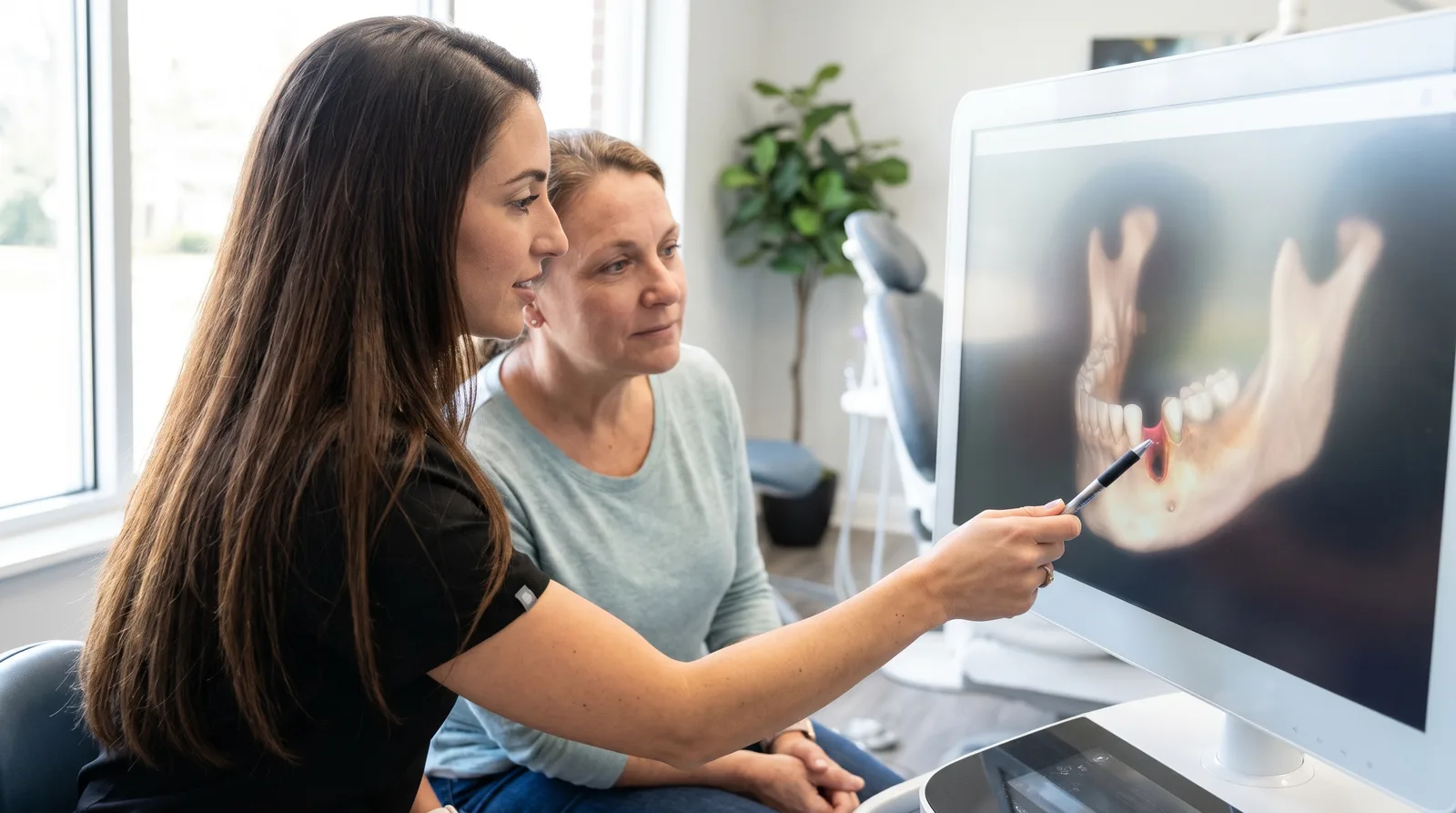
That's why the decision starts with imaging. Advanced CBCT 3D imaging lets the team measure bone volume and the thickness of the walls around the tooth before anything is removed. Then you hear the recommendation and the reasons for it, not just the procedure's name.
The graft is placed in the same visit as the extraction: the tooth is removed carefully, the socket is cleaned, graft material is placed, and the site is protected with a membrane or closed with fine stitches. Your area is numbed first, and you leave with clear written aftercare instructions.
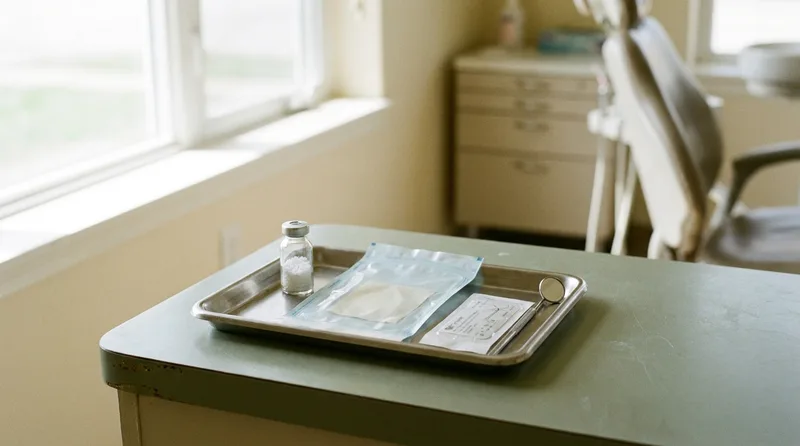
Elia's periodontist uses the same building blocks in guided bone regeneration: graft material, a protective barrier membrane, and sutures, all planned with 3D imaging. Our guide to bone grafting before dental implants explains how grafting fits into an implant plan.
Because the graft goes in during the same visit, there's usually no separate surgery to schedule. What changes is the care taken at the extraction itself. Gentle technique protects the walls of the socket, which is part of why how a tooth comes out matters as much as whether it does.
Healing time depends on the site and the graft, and your periodontist gives you a timeline for your plan. For reference, Elia's guided bone regeneration process describes new natural bone developing over a 3 to 9 month period, with routine follow-up visits to monitor healing.

The early weeks are about protecting the site. Follow your written instructions closely, eat soft foods, and keep the area clean the way you're shown. The ADA's extraction advice applies here as well: avoid smoking, don't rinse vigorously, and skip straws for the first day.
One complication worth knowing about is dry socket, which happens when the clot over the socket is displaced. Our guide to dry socket symptoms explains the signs and when to call. Careful aftercare is the best way to avoid it.
Timing also matters for implants. Once the bone has regenerated and reached full density, the next step can be planned. Your team will tell you when the site is ready, rather than rushing the next stage. When it's time for the crown, our guide to screw-retained vs cemented implant crowns explains your options.
Most patients find the grafting comparable to the extraction itself, because the area is thoroughly numbed and the grafting happens in the same visit. Some soreness afterward is common, and clear aftercare instructions and a follow-up check-in help you recover smoothly.
Fear is a normal part of any procedure that involves bone. About 36% of Americans have dental anxiety, according to a 2024 BMC Oral Health study. If that's you, say so at your consultation. Knowing each step in advance, and who will do it, takes much of the fear out. Everyone's comfort level is different, so tell the team what helps you relax and they'll plan around it.
Elia Family Dental offers same-day emergency appointments during business hours, so if something doesn't feel right after your procedure, you can call and be seen. After hours, call and follow the voicemail guidance, and go to an emergency room if swelling affects your breathing or swallowing.
Alternatives include letting the socket heal on its own, rebuilding bone later with guided bone regeneration if an implant is planned, or placing an implant right after extraction when conditions allow. Which option fits depends on your bone, the tooth's location and your long-term plan.
The best option depends on what you want the tooth to be replaced with. If an implant is the goal, our guide to the dental implant process shows the steps. And if you're still deciding whether the tooth should come out at all, root canal vs extraction weighs both paths.
One rule of thumb: decide about the replacement before the extraction, not after. Even if you don't need a graft, knowing your plan early lets the team protect the bone in the way that matches it.
Cost depends on the site, the graft and your plan, so the clearest answer is a personalized estimate. Elia Family Dental accepts Delta Dental, Blue Cross Blue Shield, Cigna, Principal and most PPO plans, and verifies your coverage before treatment begins. We'll still work with your plan if you're out of network.
Sunbit and CareCredit financing are available, with flexible monthly payments and a quick application, and Sunbit doesn't require a hard credit check. We don't accept HMO, Medicaid or Medicare plans, so call us if you're unsure which category your plan falls into.
According to the American Dental Association, regular dental visits can catch 80% of oral health issues before they become serious. Catching decay, cracks and gum disease early can sometimes mean a tooth can be saved, which is the best way to avoid an extraction in the first place.
If you're facing an extraction, ask about socket preservation before the visit, not after it. Dr. Elia will review your imaging, explain whether protecting the bone helps your plan, and walk you through the next step. Our guide to wisdom teeth removal covers a common reason for extractions.
Results may vary. Please consult with your dentist at Elia Family Dental for personalized treatment recommendations.
Ready to Plan Your Extraction?
Book an appointment with Elia Family Dental and Dr. Elia will review your imaging and your options.
Book an Appointment →Prefer to talk it through first?
Call 732-681-8604 →Written By
Lead Dentist
Screw-retained vs cemented implant crowns explained: how each attaches, what research shows, and how Elia Family Dental chooses for your implant.
Toothache relief at home starts with a warm rinse and gentle flossing. See what helps, what to avoid, and when to call a Wall Township dentist.
Toothache near me? Learn the signs that mean call today, safe steps until your visit, and how same-day emergency care works in Wall Township.
Book your visit with Dr. Elia online or call us, and we'll take it from there.