Dental Implants
Socket Preservation After Extraction: Do You Need It?
Socket preservation after extraction can limit bone loss before an implant. Learn who needs it, how it works and what to expect in Wall Township.
Nov 2, 202610 min read


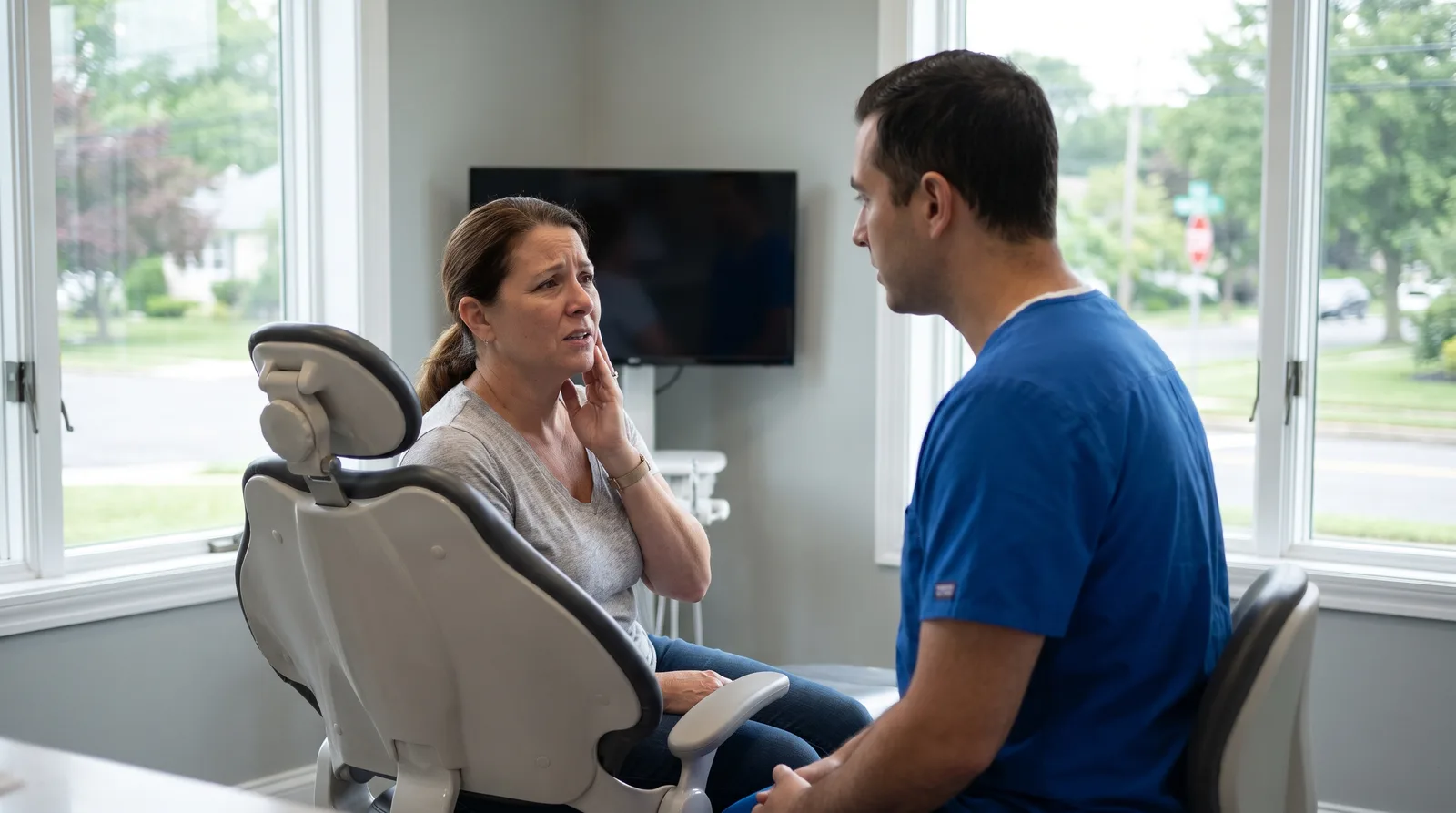
If you're typing "toothache near me" at midnight or between meetings, the short answer is to call a dentist today, especially if the toothache lasts more than a day, wakes you up, or comes with swelling or a fever. At Elia Family Dental in Wall Township, Dr. Nicole Elia offers same-day emergency dentistry during business hours for new and existing patients.
It usually starts at 10 p.m. A dull throb in a back tooth that you ignored at dinner now keeps you awake, and you're staring at your phone, wondering whether it can wait until morning. Most of the time, it shouldn't wait much longer than that.
This guide covers what causes a toothache, which signs mean call right away, what to do until you're seen, and what a same-day visit involves. It's general education only, and a dentist has to examine the tooth to find the cause.
Toothache Right Now? Call Us
Call 732-681-8604 and describe your symptoms. We will give you first-aid guidance and make room during business hours.
Book Appointment →Yes, call a dentist today if a toothache lasts more than a day, wakes you at night, or comes with swelling, a fever or a bad taste. The ADA's MouthHealthy guide to dental emergencies advises seeing your dentist as soon as possible, and notes that most dentists reserve time each day for emergency patients.
A toothache is a message, not a diagnosis. Something is irritating the nerve inside the tooth or the tissue around it, and the cause decides the fix. Waiting rarely makes the cause smaller. Decay, cracks and infections tend to progress, and a small problem is easier to treat than a large one.
Toothaches are also common. Nearly 1 in 4 adults in the US has untreated tooth decay, according to the CDC's National Center for Health Statistics, and decay is one of the most frequent ways a toothache first announces itself.
Not every toothache needs an appointment within the hour. But none should be ignored for weeks. A same-day phone call lets the team judge how urgent your situation is, give you first-aid steps, and book a time that fits. That conversation costs nothing and often settles the question of whether you can wait.
A toothache usually comes from decay, a cracked tooth, an infection, gum disease or a worn filling. The ADA explains that sensitive teeth often come from decay, fractured teeth, worn fillings, gum disease, worn enamel or an exposed root, and the same list explains most toothaches.
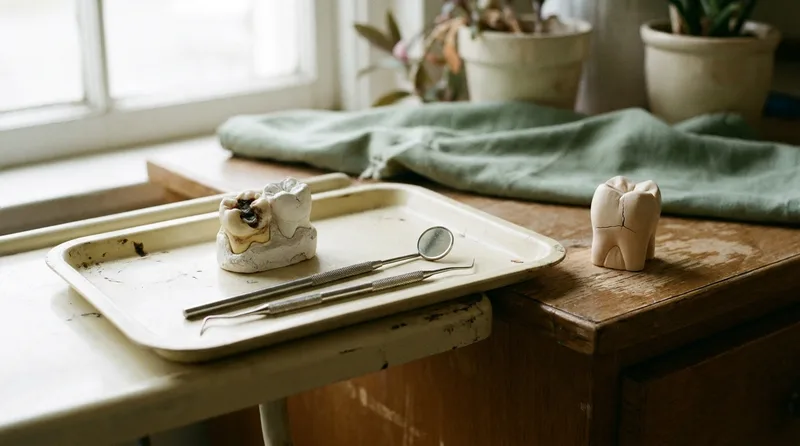
These causes overlap. A cracked tooth can let bacteria in, and decay left alone can reach the nerve. That's why the exam, not the symptom, tells you which problem you have. Gum disease is part of the picture too, since 42% of adults aged 30 and older have some form of periodontal disease, according to CDC 2024 data.
One more thing worth knowing: the tooth that aches isn't always the tooth with the problem. Discomfort can seem to come from the wrong side of the mouth, which is one reason X-rays matter at the visit. A short exam with imaging usually sorts it out quickly.
Call right away for swelling in your face or gums, a fever, a bad taste or a pimple-like bump on the gum, discomfort that keeps you awake, or a toothache after an injury. Go to an emergency room if swelling affects your breathing or swallowing.
Infection is the reason these signs matter. A dental abscess can spread to other parts of the body within 48 hours if untreated, according to JADA. Our guide to dental abscess warning signs lists the signs in more detail.
A toothache that suddenly stops isn't always good news. Sometimes the nerve has stopped responding, and the underlying problem is still there. If the discomfort disappears but the swelling or bump doesn't, call anyway.
If you're unsure whether your symptoms count, call and describe them. The team can tell you in a minute or two whether to come in right away, what to do on the way, and what to bring. It's a short conversation that often replaces a long night of guessing.
Rinse with warm water, gently floss around the tooth, avoid very hot, cold or sweet foods, chew on the other side, and don't put aspirin on the tooth or gum. The ADA advises rinsing with warm water, gently flossing out trapped food, and never putting aspirin on the aching tooth or gum.
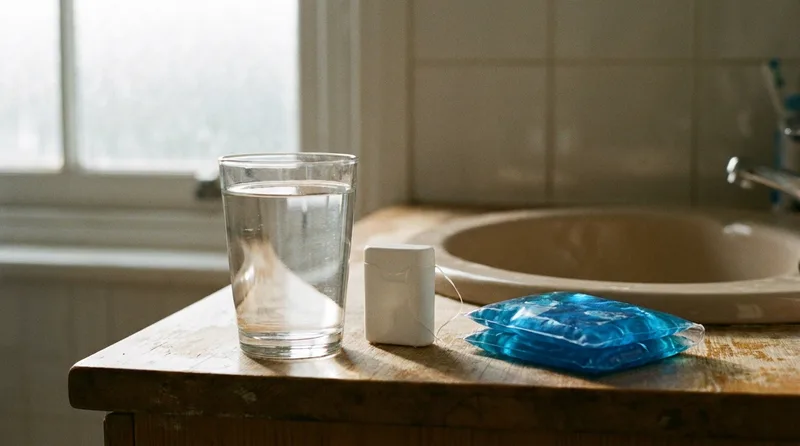
Ask the office before taking any over-the-counter medicine. The right choice depends on your health, your other medicines and any allergies, and the team can tell you what's reasonable to take until you're seen.
These steps only buy time, and they're meant to be short term. They don't treat the cause. For a fuller guide to what helps and what to avoid, see our toothache relief at home guide. If you're not sure how urgent your situation is, our overview of dental emergencies in Wall Township explains what to expect.
At Elia Family Dental, you call, get first-aid guidance over the phone, and are seen the same day during business hours. Dr. Elia checks the tooth with digital X-rays and 3D imaging, finds the cause, and treats it with thorough numbing for your comfort.

New patients are welcome for dental emergencies, and you don't need an existing record. Dr. Elia's care is backed by hospital residency training, which helps when a toothache turns out to be more than a cavity.
You'll also leave knowing what happens next. The plan is explained before treatment begins, so there are no surprises, and you'll hear what each option involves.
Most visits are efficient. Because the problem is found with X-rays and imaging at the start, treatment can often begin right away instead of waiting for a second appointment, depending on what the exam shows. If more extensive care is needed, such as a root canal or a crown, you'll get clear options, timelines and costs before anything begins.
The cause decides the treatment: a filling for decay, a crown for a cracked or heavily restored tooth, a root canal for an infected nerve, gum treatment for a gum problem, or an extraction when a tooth can't be saved. Dr. Elia explains the options before anything begins.
The goal is the most conservative treatment that actually solves the problem. Sometimes that's a simple repair that ends the discomfort the same day. Other times it's the first step of a longer plan, and you'll hear that honestly at the exam.
Whatever the cause, early treatment tends to be simpler. A cavity caught early can be filled, while one left alone can reach the nerve and call for a root canal. That's the practical reason not to wait. Ask your dentist what the tooth would need now versus later, so you can see what waiting would change.
Call the office and follow the voicemail instructions for guidance and next steps, and go to a local emergency room for a true emergency when the office is closed. The ADA gives the same advice: if the accident happens when your dental office is not open, visit your local emergency room.
Our office hours are Monday and Thursday 9 AM to 5 PM, Tuesday 9 AM to 6 PM, and Friday 8 AM to 2 PM. We're closed on Wednesday, so on Wednesdays, call and follow the voicemail guidance. The office is on State Route 138 in Wall Township.
Dental problems send many people to the emergency room. About 2 million emergency room visits per year in the US are for dental issues, according to the ADA Health Policy Institute. An emergency room can stabilize an emergency, but it can't treat the tooth itself, so you'll still need a dentist afterward.
Fear can also delay the call. About 36% of Americans have dental anxiety, according to a 2024 BMC Oral Health study. If that's you, our guide to judgment-free dental care explains how the team works with nervous patients. Calling early is almost always easier than waiting.
Many plans cover part of an emergency exam and X-rays, and Elia Family Dental accepts Delta Dental, Blue Cross Blue Shield, Cigna, Principal and most PPO plans. We verify your coverage before treatment begins, and we'll still work with your plan if you're out of network.
Don't let cost delay the care you need. Sunbit and CareCredit offer flexible monthly payment plans, with a quick, simple application, and Sunbit doesn't require a hard credit check. We don't accept HMO, Medicaid or Medicare plans, so call us if you're unsure which category your plan falls into.
According to the American Dental Association, regular dental visits can catch 80% of oral health issues before they become serious. Most toothaches start as small problems, which is a good argument for routine checkups once this one is resolved.
If you're still searching toothache near me, stop searching and call. Describe your symptoms, follow the first-aid steps, and let Dr. Elia find the cause. A same-day visit is usually shorter, simpler and easier than the night you're having now.
Results may vary. Please consult with your dentist at Elia Family Dental for personalized treatment recommendations.
Need to See a Dentist Today?
Call Elia Family Dental and describe your toothache. We offer same-day emergency appointments during business hours.
Book an Appointment →Prefer to talk it through first?
Call 732-681-8604 →Written By
Lead Dentist
Socket preservation after extraction can limit bone loss before an implant. Learn who needs it, how it works and what to expect in Wall Township.
Screw-retained vs cemented implant crowns explained: how each attaches, what research shows, and how Elia Family Dental chooses for your implant.
Toothache relief at home starts with a warm rinse and gentle flossing. See what helps, what to avoid, and when to call a Wall Township dentist.
Book your visit with Dr. Elia online or call us, and we'll take it from there.